SALT CO., LTD

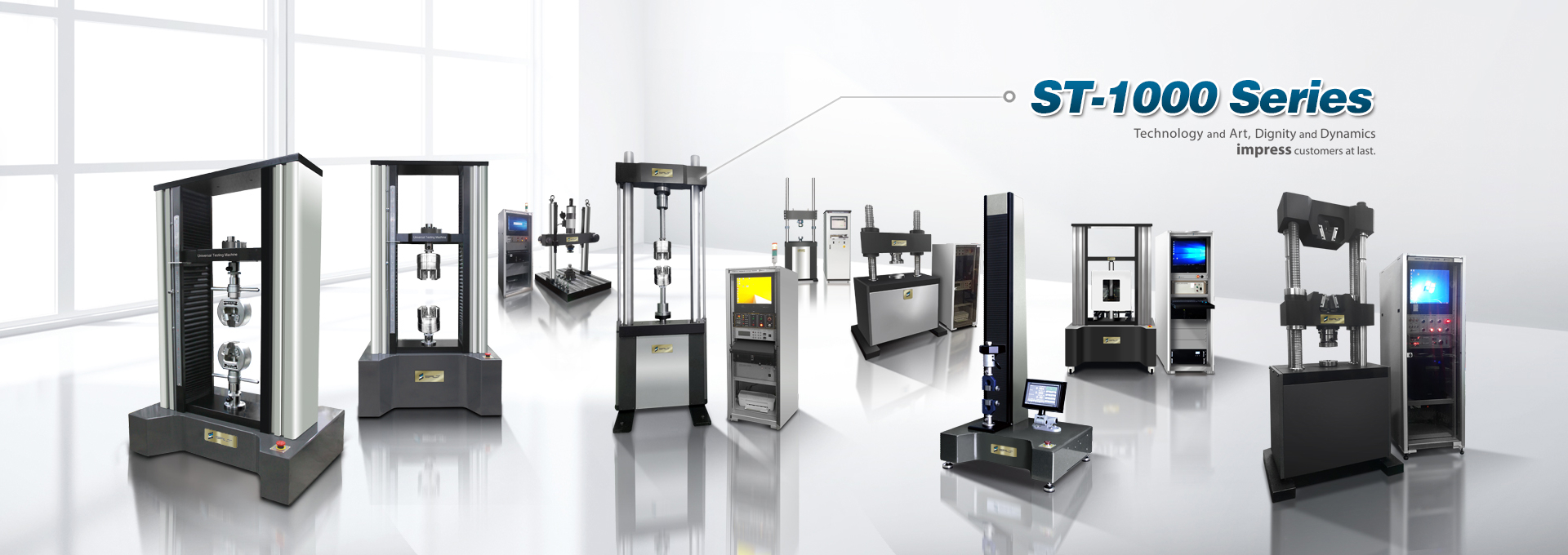
Technology and Art. Dignity and Dynamics.
Impress customers at last.

ciMajor Customers

Salt Co., Ltd

youtube logo

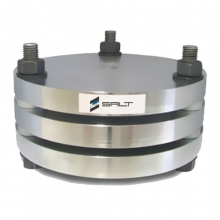
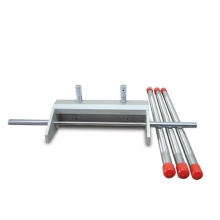
Order made semiconductor wafer 4 point bending jig

Resources

Latest product/test information, international standard test standard information.

50 Tonf Compression Testing Machine l KOTITI Test Research Institute Delivery Case │ SALT

Information Library

50 Tonf Compression Testing Machine l KOTITI Test Research Institute Delivery Case │ SALT

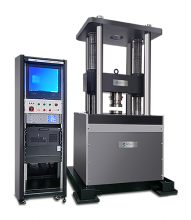
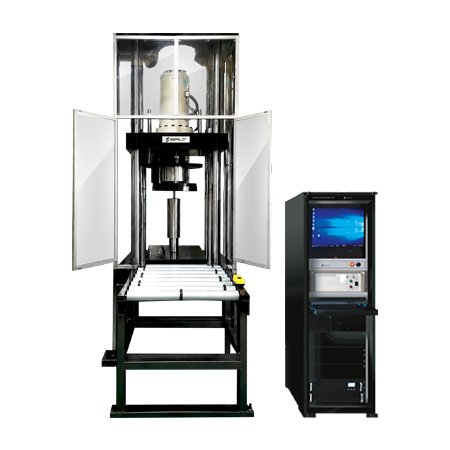
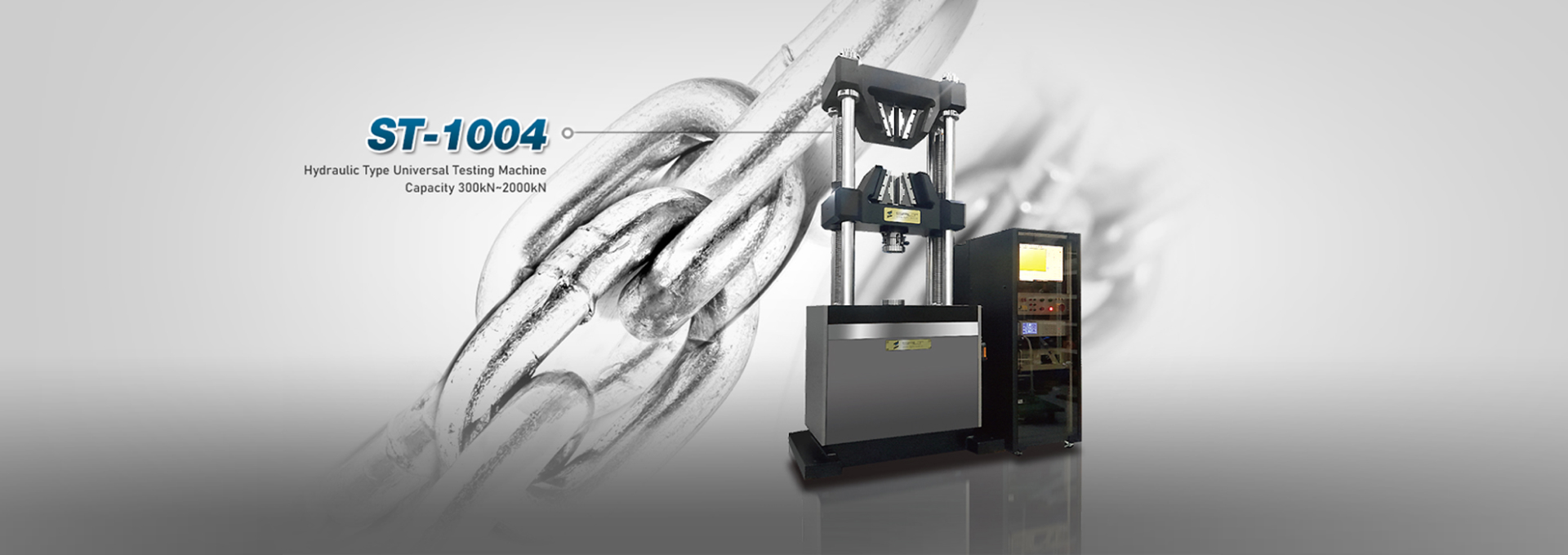
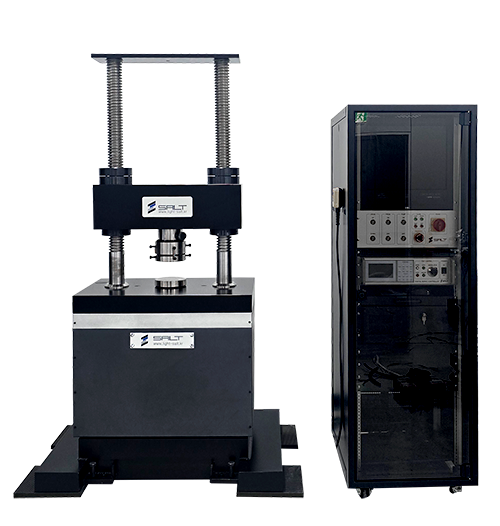
    We would like to introduce the 50 Tonf Hydraulic Compression Testing Machine (ST-1004C-50Tonf) supplied to KOTITI Test Research Institute. This equipment is capable of applying a maximum compressive load of 50 Tonf and utilizes a hydraulic system for stable load control and compression testing. It can be used to evaluate the compressive strength and compression characteristics of various materials and products. This machine was manufactured with a 50 Tonf capacity, and higher-capacity models can also be custom-manufactured according to the test specimen and required load capacity. Related International Standards  1. ASTM C39 / C39M - Standard Test Method for Compressive Strength of Cylindrical Concrete Specimens:   This standard specifies the test method for determining the compressive strength of cylindrical concrete specimens.   2. ASTM C109 / C109M - Standard Test Method for Compressive Strength of Hydraulic Cement Mortars (Using 2-in. or [50-mm] Cube Specimens):   This standard specifies the test method for determining the compressive strength of hydraulic cement mortars using 2-inch (50 mm) cube specimens.   3.ASTM C873 / C873M - Standard Test Method for Compressive Strength of Concrete Cylinders Cast in Place in Cylindrical Molds:   This standard specifies a method for determining the compressive strength of concrete cylinders cast in place using cylindrical molds.   4. ISO 4012 - Concrete - Determination of compressive strength of test specimens:   This standard specifies the method for determining the compressive strength of concrete test specimens.   5. ISO 1920-10 - Testing of concrete - Part 10: Determination of static modulus of elasticity in compression:   This standard specifies a method for determining the static modulus of elasticity of concrete in compression.   6. ISO 12390-3 - Testing hardened concrete - Part 3: Compressive strength of test specimens:   This standard specifies the method for determining the compressive strength of hardened concrete test specimens.   KOTITI Test Research Institute - 50 Tonf Hydraulic Compression Testing Machine Delivery      
Charpy Impact Tester | Concrete & Metal Testing | KOTITI Delivery Case │ SALT

Information Library

Charpy Impact Tester | Concrete & Metal Testing | KOTITI Delivery Case │ SALT

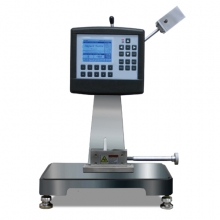
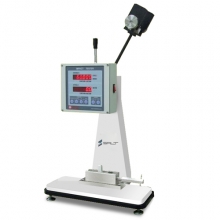
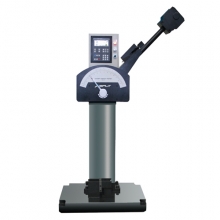
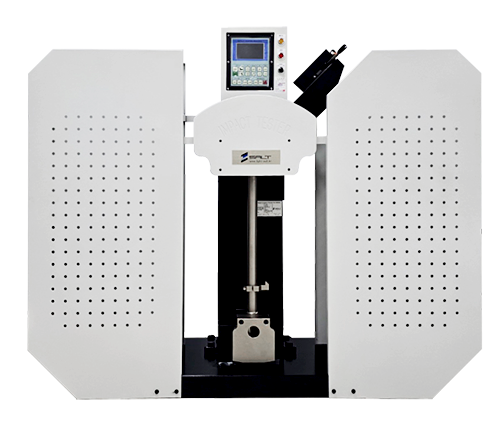
The Charpy impact test is a method used to evaluate the impact toughness of a material by measuring its ability to absorb energy when subjected to a sudden impact before fracture. Originally developed for metallic materials, the Charpy impact test has recently been adapted in research fields to evaluate the impact resistance of cement paste, mortar, and cement-based composite materials. This test allows researchers to compare and analyze how various additives, such as fibers, silica fume, and latex polymers, improve the toughness of materials by increasing the energy absorbed during fracture and suppressing crack propagation. However, a universally recognized standard for Charpy impact testing of cement-based materials has not yet been established. Therefore, the test is primarily used for research purposes rather than routine quality control. Research on the Application of Charpy Impact Testing to Cement-Based Materials 「Evaluation of Impact Resistance of Cement Paste Containing Admixtures Using the Charpy Impact Test」 Journal of the Korean Society of Disaster & Security, 2018 In Korea, research has also been conducted to evaluate the impact resistance of cement-based materials using the Charpy impact test. In the study titled 「Evaluation of Impact Resistance of Cement Paste Containing Admixtures Using the Charpy Impact Test」 cement paste specimens containing latex polymer and silica fume were subjected to Charpy impact testing to compare and analyze changes in impact resistance according to the type and content of admixtures.   In the study, V-notched cement paste specimens were subjected to impact, and their impact resistance was evaluated based on the energy absorbed during fracture. The results showed that both latex polymer- and silica fume-containing specimens exhibited higher impact resistance than ordinary cement paste. In particular, the specimen containing 10% silica fume demonstrated an impact resistance of 18,211 J/m² after 28 days of curing. The researchers suggested that the Charpy impact test can be effectively used to evaluate the impact resistance of quasi-brittle materials such as cement paste.   Charpy Impact Tester (ST-300) Delivery at KOTITI Testing & Research Institute        

KOTITI Testing & Research Institute Installation Case │ Universal Testing Machine, Tensile Testing M

Information Library

KOTITI Testing & Research Institute Installation Case │ Universal Testing Machine, Tensile Testing M

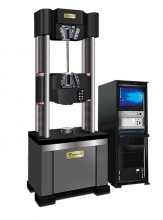
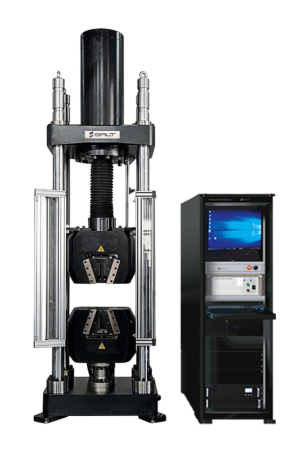
  Today, we would like to introduce the 100 Tonf Hydraulic Universal Testing Machine (Model: ST-1004-100Tonf) installed at KOTITI Testing & Research Institute. This equipment is a Stranded Wire Type model specifically designed for the tensile testing of PC strands (7-Wire Prestressing Strand). It is engineered to accurately evaluate the mechanical properties of prestressing steel strands used in bridges and construction applications.     The system is designed for 9.2 mm to 15.2 mm stranded wire specimens, and the tensile grip length complies with the international standard of 225 mm  Applicable Standards and Test Items for PC Strand (7-Wire Prestressing Strand) Tensile Testing     ✅ Applicable Standards   - ASTM A416/A416M – Standard Specification for Low-Relaxation, Seven-Wire Steel Strand for Prestressed Concrete - ISO 15630-3 – Steel for the Reinforcement and Prestressing of Concrete – Test Methods – Part 3: Prestressing Steel - ISO 6934-3 – Steel for the Prestressing of Concrete – Part 3: Strand - KS D 7002 – PC Steel Wire and PC Steel Strand   ✅ Main Test Items -Nominal Diameter -Cross-Sectional Area -Maximum Tensile Load -Tensile Strength -0.2% Proof Strength (Yield Strength) -Elongation at Maximum Load -Modulus of Elasticity -Relaxation Characteristics -Breaking Load -Fracture Location and Failure Mode ■ Installation Photos of SALT UTM at KOTITI Testing & Research Institute    
close