ASTM
ASTM D3822 Single Fiber Tensile Properties Test / Yarn Tensile Test
Hello~! We are SALT, a company specializing in materials testing equipment manufacturing.
Today, we will post about the international standard ASTM D 3822 for single fiber tensile properties testing.
What is Single Fiber?
A single fiber refers to an individual fiber, meaning one discrete fiber from the textile or fabric being tested. This fiber is tested in isolation, without being tangled with other fibers.
The test is conducted on a single, standalone fiber.
Purpose of Single Fiber Testing:
The purpose of single fiber testing is to measure the mechanical properties (tensile strength, elongation, elastic limit, etc.) of the fiber in its independent state, without interference from other fibers.
This allows for precise data on the intrinsic properties of the fiber. Analyzing individual fiber properties provides important insights into the fiber’s essential characteristics, which is more accurate than testing complex, entangled fibers.
✅ Difference Between Single Fiber and Yarn:
A single fiber is an individual fiber with a uniform diameter and length. Yarn, on the other hand, is made up of multiple fibers twisted together. To adjust the thickness or strength of fabrics, several individual fibers are combined. Therefore, the single fiber tensile test measures the inherent properties of one fiber, rather than the characteristics of multiple fibers intertwined.
What is ASTM D 3822?
ASTM D3822 is a standard for measuring the tensile strength, elongation, and elastic properties of single fibers. It allows us to understand how the fiber reacts during the test and how it deforms under a given load.
This testing method applies to both continuous (filament) fibers and discontinuous (staple) fibers, or filaments extracted from yarn.
If the test fiber includes crimping or has undergone bulk processing, crimping, or texturing, it must be removed before testing the tensile properties.
Therefore, this standardized test plays a vital role in quality assurance and research and development within the fiber industry. It is widely used in product performance prediction, research on new materials, and improvements to existing fibers.
Measurement Items in ASTM D3822:
✅ Maximum Tensile Strength: The maximum load the fiber can withstand, which indicates the durability and strength of the fiber. This value is reported in Newtons (N) or Megapascals (MPa).
✅ Elongation: The amount the fiber stretches under load. Elongation is usually expressed as a percentage (%), showing the fiber's stretchability.
✅ Elastic Limit: The maximum load at which the fiber can return to its original length. Beyond this point, the fiber may undergo permanent deformation.
Test Samples for ASTM D3822:
✅ Fiber Length (Gauge Length): Typically between 10mm and 50mm (adjustable based on test purpose). Shorter lengths may decrease data accuracy.
✅ Crimp Removal: Fibers with crimping must be straightened before testing.
✅ Mounting Method: Care must be taken to ensure the fiber is not deformed or damaged during mounting. Tape tabs may be used.
✅ Sample Quantity (n): At least 10 samples should be tested to ensure statistical reliability.
Test Equipment and Grips:
Equipment:
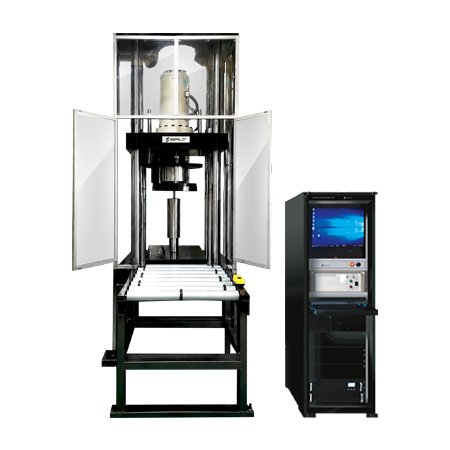
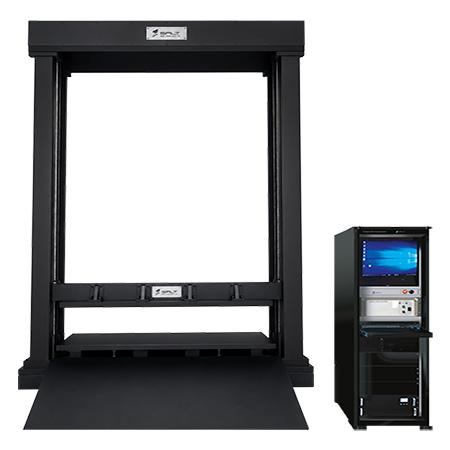
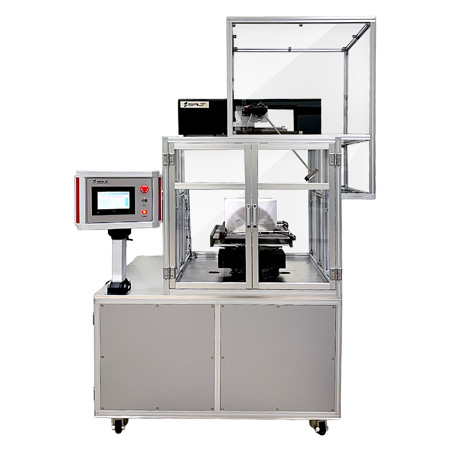
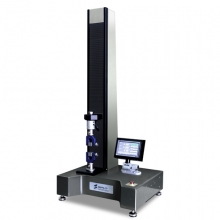
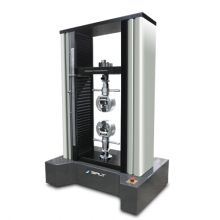
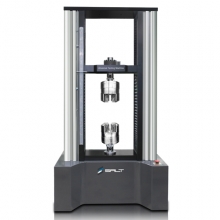
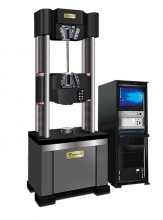
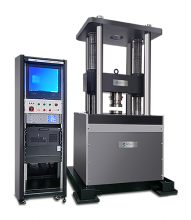
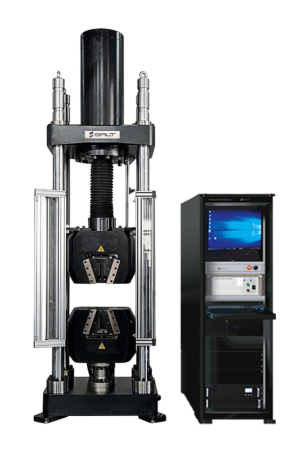
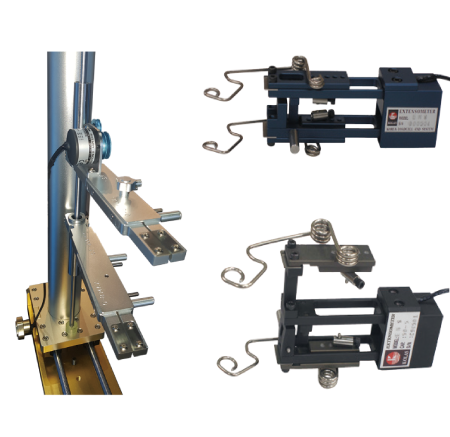
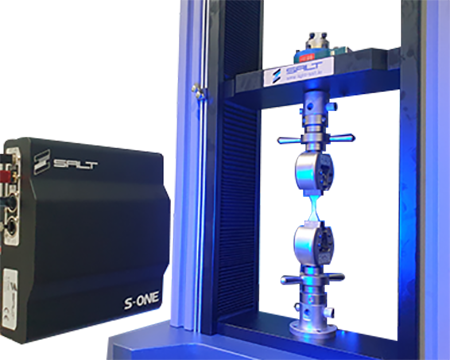
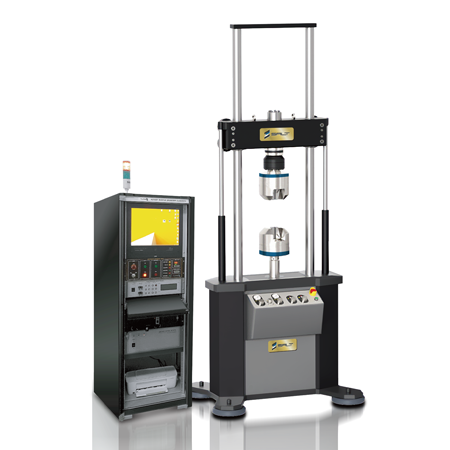
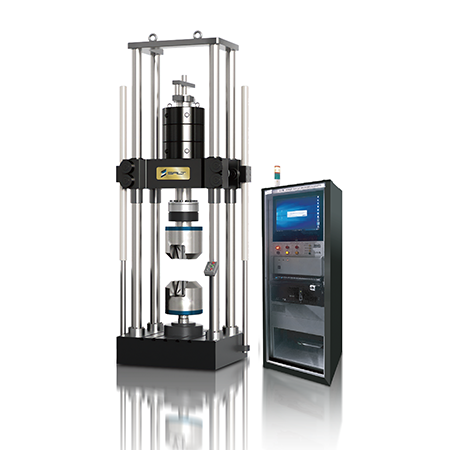
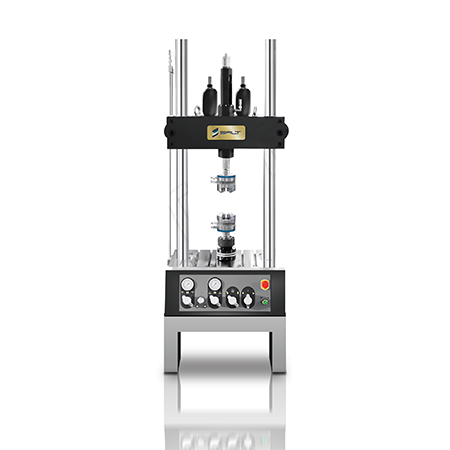
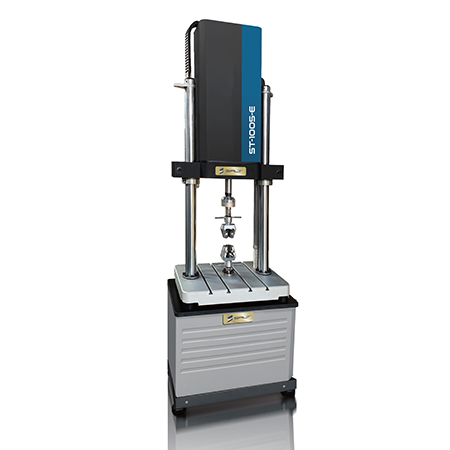
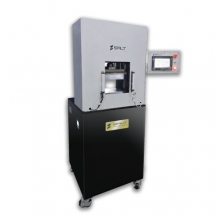
The ASTM D3822 test requires high precision and sensitivity, as individual fibers are fragile and can break even under very low loads. It is crucial to choose an appropriate load cell that can provide maximum accuracy even under low loads. SALT’s universal testing machines are optimized for performing ASTM D3822 tests with the necessary precision.
Grips:
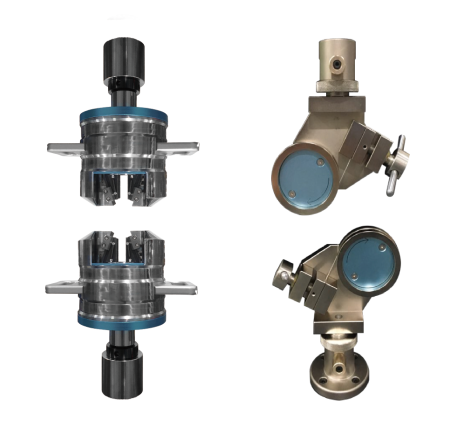
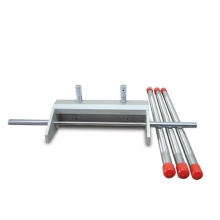
There are various types of grips suitable for single fiber tests. For sufficiently long samples, rope and yarn grips are recommended, as they help reduce early breakage and maintain the alignment of the sample.
If you're interested in learning more about yarn tensile grips, please refer to the post below.
https://www.light-salt.kr/eng/customer/info.php?ptype=view&idx=8237&page=2&code=info_eng
"We value our relationship with you more than just selling our products."
Contact Salt for more information!
Salt-s@Light-Salt.kr
www.light-salt.kr
25.02.07