Test Standards

Total. 97
ISO 11193 - The International Standard for the Physical Properties and Testing Methods of Medical Ru
ISO

ISO 11193 - The International Standard for the Physical Properties and Testing Methods of Medical Ru

Hello! We are SALT, a specialized manufacturer of universal testing machines. Today, we will be posting about the international standard ISO 11193, which covers the physical properties and testing methods for medical rubber gloves.     What is ISO 11193?     ISO 11193 specifies the requirements for packaged sterile rubber gloves or bulk non-sterile rubber gloves used in medical examination, diagnosis, or treatment procedures to protect both patients and users from cross-contamination. Medical gloves are essential protective equipment, and it is crucial to ensure that the gloves do not tear or fail during use. This is where international standards like ISO 11193 come into play. This standard evaluates the tensile strength and elongation of gloves to determine how well they withstand physical stresses encountered during actual use.   Medical gloves are made from various materials such as latex, nitrile, PVC, natural rubber, and polychloroprene. Each material is designed for specific applications, with surgical gloves, in particular, requiring stricter quality standards than examination gloves. Following this standard ensures accurate assessment of gloves made from different materials and for various purposes.         Key Testing Items       ✅ ISO 11193-1: Rubber gloves – Part 1: Test methods for physical properties   Tensile Strength: Measures the maximum load a rubber glove can withstand when stretched. This is a critical indicator of durability and strength.   Elongation: Determines the stretch ratio of rubber gloves. Flexibility is essential for gloves, making this value highly significant.   Tear Strength: Evaluates the maximum load a glove can endure before breaking, ensuring durability.   Thickness: The thickness of rubber gloves is a vital factor, used to verify how sturdy or elastic the gloves are.       ✅ ISO 11193-2: Rubber gloves – Part 2: Additional provisions for testing and evaluation     Durability Testing: Assesses how long rubber gloves can withstand repetitive stress (e.g., pulling, stretching). This ensures that the gloves maintain performance even in real-world conditions.   Hole/Crack Detection: Checks for microcracks or holes in rubber gloves to guarantee quality. This is a critical element for quality assurance. Mechanical Properties: Measures the glove's resistance to external impacts or friction during use.         Testing Equipment and Grips     1) Recommended Equipment     The tests are primarily conducted using a Universal Testing Machine (UTM). UTMs precisely measure the stretching speed and load on gloves. At SALT, we offer a lineup of universal testing machines that meet a wide range of customer needs. SALT’s ST-1000 Series provides reliable performance across various industries, satisfying diverse testing requirements.       2) Recommended Grips Medical glove samples are thin and fragile, requiring special care to prevent specimen damage near the grips. To address this, pneumatic side-action grips with smooth rubber jaw faces are ideal.  When measuring strain, it is important to use non-contact devices, as contact extensometers’ blades may damage the specimens.           "We value our relationship with you more than just selling our products."   Contact Salt for more information!   Salt-s@Light-Salt.kr www.light-salt.kr

25.01.24

ASTM D6272 - Flexural Testing of Plastic Materials
ASTM

ASTM D6272 - Flexural Testing of Plastic Materials

    Hello! We are SALT, a specialized manufacturer of material testing equipment. Today, we will share a post about the international standard ASTM D6272, which evaluates the flexural properties of plastic materials.     What is ASTM D6272?       ASTM D6272 is a standard test method for measuring the flexural properties of plastics and other materials using the 4-Point Flexural Test. This test evaluates the flexural strength and flexural modulus of materials under load, helping to identify their stiffness, flexibility, and failure characteristics. Manufacturers aiming to ensure the quality of plastic components should verify their materials' properties using this test.     3-Point Flexural Test vs. 4-Point Flexural Test     ✅ 3-Point Flexural Test   Best suited for simple flexural strength evaluations, shorter specimens, or when time is limited. Commonly used for basic flexural property measurements of plastics, metals, wood, and similar materials.     ✅ 4-Point Flexural Test   Ideal for detailed analysis of flexural properties or when a comprehensive evaluation of material performance is required. Particularly suitable for advanced materials like composites or ceramics, where uniform stress distribution is critical.       ASTM D6272 Testing Conditions     ✅ Specimen quantity: Typically 5 specimens. ✅ Specimen dimensions: Rectangular specimens are used: Length: 127 mm (5 in) Width: 12.7 mm (0.5 in) Thickness: 3.2 mm (0.125 in) Length should match the span distance of the testing apparatus. ✅ Loading rate: Recommended at 1.27 mm/min (0.05 in/min). ✅ Test temperature: 23 ± 2 °C (73.4 ± 3.6 °F). ✅ Test relative humidity: 50 ± 5%.     Testing Equipment     For ASTM D6272, equipment designed for 3-point flexural testing is essential. The testing machine must secure the specimen at two points and apply load at a constant rate in the middle. We recommend SALT’s universal testing machines (UTMs), which are fully capable of performing ASTM D6272 flexural tests.     SALT UTM Models for ASTM D6272 Flexural Testing     SALT’s 4-Point Flexural Test Jig     SALT’s 3-Point Flexural Test Jig       Want to Learn More?     If you’d like to learn more about flexural testing, visit the link below for detailed information!   https://www.light-salt.kr/admin/manage/bbs/list.php?ptype=view&idx=8335&page=2&code=solutions_eng       "We value our relationship with you more than just selling our products."   Contact Salt for more information!   Salt-s@Light-Salt.kr www.light-salt.kr

25.01.17

Evaluation of Interlaminar Shear Strength of Wood and Wood-Based Panels – ASTM D1037 Section 26
ASTM

Evaluation of Interlaminar Shear Strength of Wood and Wood-Based Panels – ASTM D1037 Section 26

  Hello! We are SALT, a leading manufacturer specializing in material testing equipment. Today, we are sharing insights into ASTM D1037 Section 26, an international standard for evaluating the interlaminar shear strength of wood and wood-based panels.     What is ASTM D1037?     ASTM D1037 is a standardized test method for assessing the mechanical and physical properties of wood-based panels and related products. It is commonly used for engineered wood products such as plywood, particleboard, medium-density fiberboard (MDF), and oriented strand board (OSB). Section 26 specifically addresses the interlaminar shear strength of laminated wood panels, such as plywood and laminated veneer lumber (LVL). This section outlines standardized procedures for measuring the bonding strength between adjacent layers, providing critical performance and durability data for wood products.         Key Metrics of ASTM D1037     ✅ Ultimate Core Shear Strength Indicates the maximum strength the wood core can withstand against shear loads. ✅ 2% Offset Shear Stress Represents the shear stress value calculated based on a 2% deformation after shear strain begins. ✅ Engineering Shear Strain Measures the degree of deformation experienced by the wood core under shear stress. ✅ Core Shear Modulus Defines the mechanical property that quantifies the core material's resistance to deformation under shear stress, calculated as the ratio of shear stress to shear strain.           Testing Conditions for ASTM D1037   The following parameters may vary based on the material being tested.     ✅ Specimen Size For thickness ≤ 0.5 inches: 2 × 6 inches (50.8 mm × 152.4 mm). For thickness > 0.5 inches: 2 × 12 inches (50.8 mm × 304.8 mm).   ✅ Specimen Shape The test specimens must be rectangular with flat surfaces to ensure testing accuracy.     ✅ Other Requirements Specimens must reflect the inherent characteristics of the wood product without defects or irregularities.     ✅ Test Speed The load application speed is typically 0.1–0.2 inches/min (2.5–5 mm/min).   ✅Testing Method   In the shear test, tensile loading is applied to shear the bonded layers of the specimen. The load is steadily increased until failure occurs. This process assesses the bond strength between the layers.         Comparable International Standards     ASTM C273 This standard evaluates the shear strength of sandwich core materials, measuring properties when shear loads are applied parallel to the sandwich panel's surface.  The loading plates are bonded to the specimen, and shear forces induce deformation within the core. Both ASTM D1037 and ASTM C273 require loading plates and fittings to transmit load to the specimens, designed to apply tensile or compressive forces. Specimens are either mechanically fixed or adhered to distribute the load evenly. Other related standards include ASTM C394 and ASTM D2718.           Recommended Equipment and Fixtures     1) Fixtures     Slide Rail: Allows testing of samples with various thicknesses (left/right sliding type). Swivel: Automatically centers the specimen. Lock Bolt: Fixes the slide rail in place. Sample Plate: Customizable in size if required.     Slide Rail   Swivel   2) Equipment   We recommend using SALT’s universal testing machine for these tests. 1) High Precision: Accurately measures loads and deformations, ensuring test reliability. 2) Versatility: Supports tensile, compressive, and bending tests, providing comprehensive evaluations of wood properties. 3) Automation: Maintains consistent test conditions and enhances reproducibility. 4) Standard Compliance: Delivers reliable data that meets ASTM D1037 requirements.     "We value our relationship with you more than just selling our products."   Contact Salt for more information!   Salt-s@Light-Salt.kr www.light-salt.kr

25.01.03

ASTM D 905 Wood Adhesive Strength Evaluation / Wood Shear Test
ASTM

ASTM D 905 Wood Adhesive Strength Evaluation / Wood Shear Test

    Hello! We are Salt Co., a manufacturer specializing in material testing equipment. Today, we will post about the international standard ASTM D 905 - Wood Shear Test. What is ASTM D 905?     For construction timber, it is essential to undergo rigorous testing to ensure structural reliability. ASTM D 905 is a test method for measuring the shear strength of adhesive bonds between two pieces of wood. The test applies compressive loads until the adhesive bond fails, evaluating the shear strength of the bonded surface. This test is primarily used to evaluate the adhesive performance of materials such as wood, plywood, and composites. This test is widely used by manufacturers producing woodworking adhesives and similar products. Recently, adhesives and bonding technologies have been increasingly used to enhance manufacturing efficiency and achieve product lightweighting.     Key Measurements in ASTM D 905   The most important measurement in the ASTM D 905 test is the shear strength of the adhesive joint. This value is calculated based on the maximum load applied to the specimen and the bonded area.   F: Maximum Load (N or lbf) AA A: Bonded Area (mm² or in²)     Conditions for ASTM D 905 Test ✅ Test Speed The compressive load is applied at a constant rate. Displacement speed: 1.3 mm/min (0.05 in/min). ✅ Load Application The specimen is fixed in a universal testing machine (UTM), and a vertical compressive load is applied. The load is continuously applied until the specimen fails, and the maximum load value is recorded. ✅ Test Environment Temperature: 23°C (±2°C) Relative humidity: 50% RH (±5%) Careful attention is needed during specimen preparation, as defects in the specimen or uneven adhesive application can affect the test results. ✅ Specimen Alignment     The two blocks are bonded with a slight offset of approximately 1/4 inch (6.35 mm). The bonded surfaces are prepared so that they will receive shear loads accurately.     Test Equipment and Jigs   Universal Testing Machine (UTM) Since ASTM D 905 measures shear strength, which requires precise load measurement to calculate the shear strength, accurate load recording is essential. Therefore, we recommend Salt Co.'s Universal Testing Machine.         Shear Jigs Jigs are used to fix the specimen in place and ensure that shear loads are accurately applied to the adhesive surface. Salt Co.  can manufacture shear jigs that meet ASTM D 905 standards, providing the precise right-angle shear force required to apply uniform load across the bonded surface.           "We value our relationship with you more than just selling our products."   Contact Salt for more information!   Salt-s@Light-Salt.kr www.light-salt.kr

24.12.27

ASTM D1761 International standard for evaluating the withdrawal resistance of nails and screws embed
ASTM

ASTM D1761 International standard for evaluating the withdrawal resistance of nails and screws embed

Hello! This is SALT, a professional manufacturer of material testing machines. Today, we will post about the international standard ASTM D1761, which evaluates the withdrawal resistance of nails or screws embedded in wood.   What is ASTM D1761?     ASTM D1761 evaluates the resistance of fasteners embedded in wood or wood-based materials to withdrawal forces, assessing the strength of wood joints.  This test determines how well the wood can secure fasteners and how effectively the joint resists external forces. ✅ Evaluates the performance of mechanical fasteners under load when combined with wood.   ✅ Measures the maximum load and deformation characteristics until the joint fails or deforms.         Test Types   This standard covers two main types of tests: ✅ Direct Withdrawal Resistance:   The withdrawal resistance test measures the force required to pull a fastener out of wood.  The fastener is inserted into the wood and withdrawn at a constant speed, recording the maximum load required for removal.  This test is critical for evaluating the bonding strength between wood and fasteners. (Pull-out Resistance)     ✅ Lateral Resistance:   The lateral resistance test measures the resistance of wood to horizontal forces acting on the fastener. This test evaluates how well the wood resists horizontal movement of the fastener within it. (Lateral Resistance)           Key Test Conditions     Wood Preparation: The wood used for testing must be conditioned to achieve moisture equilibrium under specific temperature and humidity conditions.  Typically, wood is stored in an environment of 20±3°C and 65±3% relative humidity for a set period. Test Speed: ASTM D1761 specifies that the load must be applied at a constant speed of 0.10 inches/min (2.54 mm/min) ± 25%. Testing Equipment: Tests are conducted using mechanical testing machines capable of applying the load at the specified speed.  The equipment must have an accuracy of ±1% and may be mechanical or hydraulic, capable of precisely measuring and recording the applied forces.         Testing Equipment and Grips     1) Equipment   For ASTM D1761 testing, we recommend SALT’s 1000-Series Universal Testing Machine, which meets the test requirements for load speed, measurement accuracy, environmental control, and data recording/analysis.         2) Grips   Recently, based on customer requests, we have provided custom grips specifically designed for withdrawal resistance testing in compliance with ASTM D1761. According to ASTM D1761, the grips must secure the head of the nail being tested and ensure the applied force is correctly aligned along the axial direction. SALT adheres to this specification by manufacturing custom grips that enable quick and precise resistance measurements, ensuring accurate test results.               "We value our relationship with you more than just selling our products."   Contact Salt for more information!   Salt-s@Light-Salt.kr www.light-salt.kr

24.12.13

ASTM D1037 ① – Standard Test Method for Evaluating the Shear Strength of Wood and Wood-Based Panels
ASTM

ASTM D1037 ① – Standard Test Method for Evaluating the Shear Strength of Wood and Wood-Based Panels

  Hello~! We are SALT, a professional manufacturer of material testing equipment.   Today, we will be posting about the international standard ASTM D1037, which evaluates the shear strength of wood and wood-based panels.       What is ASTM D1037?   ASTM D1037 is a standard that defines test methods for evaluating the mechanical and physical properties of wood-based panels and related products. This standard is primarily used to assess the performance of engineered wood products such as plywood, particleboard, medium-density fiberboard (MDF), and oriented strand board (OSB). ASTM D1037 includes various test methods to measure the characteristics of wood and wood-based products. ✅ Bending Strength and Modulus of Elasticity Evaluates the bending strength of wood and measures its ability to resist deformation under stress. ✅ Compressive Strength Measures the material’s resistance when subjected to vertical loads. ✅ Impact Resistance Assesses the material’s ability to withstand external shock loads. ✅ Hardness Measures the wood's resistance to surface indentation. ✅ Swelling and Water Absorption Measures the thickness swelling and weight increase due to water absorption. ✅ Adhesion Strength Evaluates the strength of bonded wood layers. ✅ Screw Withdrawal Strength Measures the force required to remove screws from wood. ✅ Durability Testing Assesses the material’s resistance to mold, insects, and other environmental factors. In this post, we will focus on the Adhesion Strength of wood layers.       Adhesion Strength Test for Wood Layers       The test used to evaluate the adhesion strength of bonded wood layers is the Layer Bond Strength Test. This test evaluates how well adhesive bonds the layers of wood-based panels, such as plywood, particleboard, and MDF. The test is an important procedure to verify the adhesive's performance and bonding quality. The adhesion strength obtained from this test is a key indicator for evaluating the quality of the product. High adhesion strength ensures a durable product, which guarantees stable performance under actual usage conditions.       Test Conditions       ✅Specimen Size The test specimens should be 2 inches (50 mm) square with a thickness equal to that of the finished panel. The dimensions of the specimen should be measured with an accuracy of ±0.3% tolerance. However, the specific size may vary depending on the test's purpose and the equipment used, so the size defined in ASTM D1037 or the size suitable for the testing machine should be selected.   ✅Specimen Form   The specimen should be prepared with clearly distinguishable layers, and the two layers bonded together by adhesive should be easily identifiable. To assess the interlayer adhesion strength, the two wood layers should be bonded together with adhesive.     ✅Test Speed   During the test, the load is applied by moving the test machine's crosshead at a constant speed. The speed should be 0.08 inches (0.08 cm/cm) per minute for every 1-inch (2.54 cm) thickness. There may be slight variations depending on the panel thickness, but the speed of the test machine should not exceed ±50% of the speed defined here. ✅Test Procedure   During the test, a load transfer block made of steel or aluminum alloy, measuring 2 inches (50 mm) square and 1 inch (25 mm) thick, should be firmly adhered to the square face of the specimen using an appropriate adhesive. The bond strength created by the adhesive must be higher than the cohesive strength of the panel surface in the vertical direction. Additionally, the maximum distance from the center of the universal joint or self-aligning head of the Universal Testing Machine (UTM) to the bonded face of the specimen should not exceed 3 inches (76 mm).       Test Equipment and Jig     1) Equipment     The main equipment used for performing the wood layer bond strength test is the Universal Testing Machine (UTM). The UTM applies loads to the specimen to measure the adhesion strength or other mechanical properties. This machine allows precise load measurements and speed control, making it suitable for wood layer adhesion testing. 2) Jig         SALT's wood layer bond strength testing jig is designed to meet the standards of ASTM D1037. The jig holds the specimen's upper and lower parts in place using appropriate adhesive, ensuring uniform load distribution across the specimen’s adhesive layers during the test.     Salt Co., Ltd.'s all-purpose material tester provides a variety of grips,  extensometers and test solutions to meet the requirements of physical property testing of various materials.       "We value our relationship with you more than just selling our products."   Contact Salt for more information!   Salt-s@Light-Salt.kr www.light-salt.kr

24.12.09

ISO 37:2017 - Rubber, vulcanized or thermoplastic - Determination of tensile stress-strain propertie
ISO

ISO 37:2017 - Rubber, vulcanized or thermoplastic - Determination of tensile stress-strain propertie

    What is ISO 37?     The purpose of ISO 37 is to measure the tensile properties of rubber and rubber products to assess the mechanical properties of the material and evaluate the quality and performance of rubber products.  This standard applies to both vulcanized and thermoplastic rubber. Because it is used to evaluate the tensile properties, one of the most fundamental and important characteristics for rubber product quality control, it is widely used across various industries. ISO 37 is essential for testing the durability, strength, and elongation of rubber, making it crucial in automotive, construction, electronics, and other fields.       Key Measurements in ISO 37       ✅Tensile Strength: Measures the maximum stress a sample can withstand before breaking.   ✅Elongation at Break: Measures the elongation of rubber until it breaks.   ✅Yield Stress: Measures the stress at the yield point of rubber.   ✅Modulus of Elasticity: Indicates the degree of deformation within the elastic range, typically calculated at 100% or 300% elongation.   ✅Elongation: Expressed as a percentage, this is the ratio of the rubber's maximum elongation before it breaks.       Testing Conditions in ISO 37       ✅ Sample Shape   For ISO 37 testing, rubber samples are cut into a dumbbell shape. This shape is essential as it provides a uniform stress distribution during stretching.  The central portion is designed to be thinner, ensuring even stretching and breaking, which enhances the accuracy of test results. This design guarantees a uniform break in the middle of the sample during the test.   ✅ Sample Thickness   Types 1, 2, 3, and 1A have a narrow part thickness of 2.0 mm ± 0.2 mm. Type 4 has a narrow part thickness of 1.0 mm ± 0.1 mm.             ✅ Test Temperature     The test temperature is typically set at 23°C ± 2°C, reflecting the standard temperature for typical rubber use environments.  When testing under different temperature conditions, adjustments may be needed depending on the testing environment, with appropriate measures taken after the test.   ✅ Test Speed   Types 1, 1A, and 2: 500 mm/min Types 3 and 4: 200 mm/min     ISO 37 Testing Equipment     1) Universal Testing Machine (UTM)   ISO 37 rubber tensile testing is generally conducted using a Universal Testing Machine (UTM). This equipment is designed to measure the physical properties of various materials.       2) Grips   Various grips can be used in ISO 37 rubber tensile testing, such as pneumatic side-action grips, roller grips, and wedge grips.  These grip types help minimize deformation during testing by securely holding rubber samples, enabling precise measurement.      pneumatic side-action grips         roller grips     wedge grips       "We value our relationship with you more than just selling our products."   Contact Salt for more information!   Salt-s@Light-Salt.kr www.light-salt.kr

24.11.13

ASTM E8 - Standard Test Methods for Tension Testing of Metallic Materials
ASTM

ASTM E8 - Standard Test Methods for Tension Testing of Metallic Materials

    Hello! We are SALT, a professional manufacturer of material testing equipment. Today, we’ll be discussing the international standard ASTM E8 for tensile testing of metallic materials.       What is ASTM E8?     ASTM E8 is an American standard test method for tensile testing of metallic materials and is one of the most widely used methods for evaluating tensile properties. This standard defines clear procedures and methods for measuring the mechanical properties of metals. The test process determines key mechanical properties such as yield strength, ultimate tensile strength, elongation, and reduction of area.  It evaluates the ductility and strength of various metals under uniaxial tensile stress. This test is applicable to several metallic materials, including steel, aluminum, and copper, and is widely used in structures, mechanical components, and various manufacturing processes.  ASTM E8 plays a vital role in ensuring the quality of metallic materials and securing reliability across various industries.         Measurement Parameters of ASTM E8       ✅ Tensile Strength: Calculated based on the maximum load the specimen can withstand before breaking. Tensile strength is a critical indicator for evaluating material strength. ✅ Yield Strength: The load value at which the material begins permanent deformation. Yield strength represents the point at which non-elastic deformation begins and evaluates the load-bearing capacity of the material. ✅ Elongation: Measured by how much the length of the specimen increases upon fracture. Elongation indicates the material's ability to deform and its ductility, generally expressed as a percentage (%). ✅ Reduction of Area: Reflects the change in cross-sectional area of the specimen after fracture, comparing the original cross-sectional area with the remaining cross-sectional area after breakage.  This is useful for evaluating material toughness. ✅ Stress-Strain Curve: A curve generated by measuring load and strain, visually representing the mechanical properties of the material.  This curve is helpful in evaluating characteristics such as tensile strength, yield strength, and elongation. ✅ Proportional Limit: The maximum load point where the material responds linearly on the stress-strain curve. Below this point, stress is proportional to strain. For further information on yield strength and stress-strain curves, please visit the link below.   https://www.light-salt.kr/admin/manage/bbs/list.php?ptype=view&idx=8204&page=2&code=info_eng       Comparison of ASTM E8 and ISO 6892-1         While these two standards have similar goals, they differ in testing methods and application environments.           ASTM E8 Specimen Types         Specimen Shapes     Dogbone: The most commonly used specimen, with a narrowed rectangular center section.   Round Bar: A bar with a round cross-section, used to evaluate uniform material properties.   Tube: A specimen extracted from metal tubes, used to assess the mechanical properties of pipe and tube products.   Pin-Mounted Specimen: Fixed with pins, used to test loads under specific conditions.   Powder Metal Product: Specimens for metal materials manufactured from powder.   The dogbone specimen is commonly used because its narrowed middle design causes deformation to concentrate in the center section under load.  This consistency in the fracture location ensures predictability and reliability in test results, making the dogbone specimen widely preferred.         Typical Dogbone Specimen Dimensions: ✅ Width: 12.5 mm   ✅ Thickness: 3.0 mm   ✅ Gauge Length: 50 mm The specimen size and shape can vary depending on test requirements and material properties. Always refer to the latest version of the applicable standard before testing.         Recommended Equipment by SALT for ASTM E8 Testing   Metal typically has high strength and hardness, which means that breaking metal requires much greater force compared to other materials.  Therefore, a robust universal testing machine capable of withstanding high loads is suitable.       ST-1002-100kN   ST-1004-1000kN     Salt Co., Ltd.'s all-purpose material tester provides a variety of grips,     extensometers and test solutions to meet the requirements of physical property testing of various materials.      "We value our relationship with you more than just selling our products."   Contact Salt for more information!   Salt-s@Light-Salt.kr www.light-salt.kr  

24.11.01

ISO 604 - The standard for Plastics- Determination of compressive properties.
ISO

ISO 604 - The standard for Plastics- Determination of compressive properties.

Hello! This is Salt Co., Ltd., a professional manufacturer of material testing machines. Today, we are introducing ISO 604 Compressive Properties of Plastics.   ISO 604 is an international standard that specifies the method for measuring the compressive properties of plastic materials. This standard is mainly used to evaluate the compressive strength, compressive strain, and modulus of elasticity of rigid plastic materials. The purposes of the ISO 604 test are as follows:     Measurement of Compressive Strength:   It measures the maximum compressive load a material can withstand before failure, which is a crucial indicator of the material's strength.   Evaluation of Compressive Strain:   It evaluates how much a material deforms under compressive load, helping to assess the material’s ductility or brittleness.   Calculation of Elastic Modulus (Compressive Modulus):   It measures the elastic modulus, which indicates how well the material resists compressive loads. This value is related to the stiffness of the material.   Material Comparison and Selection:   The test results are used to compare the performance of various plastic materials and select materials that are suitable for specific applications.         ISO 604 Test Specimen Sizes   1) Cylindrical Specimen     Diameter: Generally, either 10 mm or 14 mm is used.   Height: It should be twice the diameter to maintain a height-to-diameter ratio of 2:1. This ratio is crucial for obtaining accurate data without abnormal mechanical behavior such as buckling.   Buckling refers to the sudden deformation that occurs when a compressive load is applied to structures like columns or plates.       2) Rectangular Specimen       Width and Thickness: Generally about 10 mm.   Height: It should be set to twice the smallest side dimension to ensure the integrity of the specimen during the test.     ISO 604 Test Equipment     The ISO 604 test typically uses a Universal Testing Machine (UTM). A Universal Testing Machine is a versatile device capable of evaluating the physical properties of various materials and performing not only compression tests but also tension, bending, and shear tests. Salt Co., Ltd.'s Universal Testing Machines can precisely measure both load and displacement, and they are equipped with data recording functions during testing, making them highly suitable for ISO 604 tests.     Compression Test-Capable Universal Testing Machine Models from Salt Co., Ltd.                 Salt Co., Ltd.'s all-purpose material tester provides a variety of grips,  extensometers and test solutions to meet the requirements of physical property testing of various materials.       "We value our relationship with you more than just selling our products."   Contact Salt for more information!   Salt-s@Light-Salt.kr www.light-salt.kr

24.09.27

 standard test methods ASTM D5963/ISO 4649 for evaluating the abrasion resistance of rubber and ther
ASTM

standard test methods ASTM D5963/ISO 4649 for evaluating the abrasion resistance of rubber and ther

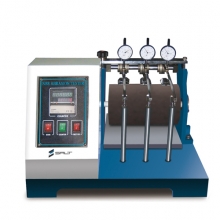
      Hello! We are Salt Co., Ltd., a specialized manufacturer of material testing machines.  Today, we would like to introduce the standard test methods ASTM D5963/ISO 4649 for evaluating the abrasion resistance of rubber and thermoplastic elastomers.  What is ASTM D5963?     Abrasion resistance of rubber and thermoplastic elastomers is a crucial property in various industries. Especially for products like tires, seals, and belts, abrasion resistance is critical.  ASTM D5963 standard test method is used to evaluate this property. This test quantitatively assesses the abrasion characteristics of rubber materials, which is essential for quality control and performance comparison of products.  ASTM D5963 Samples    In the ASTM D5963 test method, the test specimens are typically made from thermoplastic elastomers and vulcanized thermosetting rubber.  Here are some common types of rubber and thermoplastic elastomers used in ASTM D5963 tests:  Tires: Evaluates abrasion during road use to predict tire lifespan.  Belts: Assesses the wear resistance of industrial and automotive belts.  Seals: Evaluates the abrasion resistance of sealing materials to ensure product reliability.  Other Rubber Products: Assesses abrasion characteristics of rubber components used in various industries.  ASTM D5963 Test Methods    ASTM D5963 provides two test methods:  Method A:  Rubber specimens are pressed against a rotating abrasive wheel under a constant load to generate abrasion.The amount of abrasion is evaluated by measuring the weight loss of the specimen after testing.This method is typically used for rubber materials with high abrasion resistance.  Method B:  Rubber specimens are subjected to repeated back-and-forth motion while in contact with an abrasive wheel.The amount of abrasion is evaluated by measuring the weight loss of the specimen after testing.This method is widely used for various rubber materials.      Comparison of ASTM 5963 and ISO 4649  Both ASTM D5963 and ISO 4649 specify test methods for evaluating the abrasion characteristics of rubber and plastic materials.  Although both standards aim to measure abrasion resistance, they use different measurement methods and have some detailed differences.  Commonalities:  Objective: Both standards test how well rubber or plastic resists abrasion, assessing how long these materials can withstand wear during use.Test Methods: Both methods create abrasion under specific conditions and measure the degree of wear.  Differences:  Test Equipment:  ASTM D5963: Uses the 'Taber Abraser' equipment, which abrades the specimen with two rotating discs. The specimen is placed on a flat surface and the discs abrade it by rotation.ISO 4649: Uses 'cylindrical drum equipment' where the specimen rotates inside the drum, and the abrasive medium within the drum contacts and abrades the specimen.  Application Fields:  ASTM D5963: Mainly used for evaluating the abrasion characteristics of rubber and synthetic rubber.ISO 4649: Widely used for evaluating the abrasion resistance of both rubber and plastic materials, with a particular emphasis on plastics.  Test Results:  ASTM D5963: Measures abrasion by the weight loss of the specimen. The abrasion is evaluated by calculating the weight difference before and after the test.ISO 4649: Measures abrasion by the volume loss of the specimen. The abrasion is evaluated by calculating the volume difference before and after the test.  Conclusion  Both ASTM D5963 and ISO 4649 are important tools for evaluating the abrasion resistance of rubber and plastic materials.  While they share the same objective, their equipment, application fields, and methods of expressing results differ. Choosing the appropriate standard depends on the test's purpose and requirements.  SALT's DIN Abrasion Tester     Salt Co., Ltd.'s all-purpose material tester provides a variety of grips,  extensometers and test solutions to meet the requirements of physical property testing of various materials.       "We value our relationship with you more than just selling our products."   Contact Salt for more information!   Salt-s@Light-Salt.kr www.light-salt.kr  

24.08.06

ASTM E9 Metal Compression Testing
ASTM

ASTM E9 Metal Compression Testing

Hello! We are Salt Corporation, a specialized manufacturer of material testing equipment.  Today, we would like to introduce you to the ASTM E9 metal compression test.         What is ASTM E9?     ASTM E9 defines the method for compression testing of metallic materials. Using these methods, we can measure the compressive yield strength, compressive ultimate strength, and compressive modulus of various metal materials. The compressive strength of metallic materials, including steel and aluminum, is crucial not only for designing structures such as buildings and bridges but also for various product designs. Metals exhibit very high stiffness under compression, making accurate compression testing of metals quite challenging.       Purpose of ASTM E9 Testing The purpose of ASTM E9 testing is to evaluate the mechanical properties of metallic materials under compressive load.  This test method allows the determination of important mechanical properties such as:   Compressive Yield Strength: The compressive strength at the point where the material begins to undergo permanent deformation. Compressive Modulus (Young’s Modulus): A value related to the stiffness of the material, which is the initial slope of the stress-strain curve. Stress-Strain Curve: A graph representing the overall deformation behavior of the material in response to compressive loading. Compressive Strength: The maximum strength the material can withstand without failing under compressive load.     Importance of ASTM E9     Evaluation of Mechanical Properties: ASTM E9 provides a standard test method to evaluate the mechanical properties of metallic materials. It allows for the quantitative measurement of yield strength, ultimate strength, modulus of elasticity, and the stress-strain curve.   Application in Structural Design: Data on compressive strength and other mechanical properties are essential for designing structures such as buildings, bridges, and vehicles. This data plays a crucial role in evaluating how much load the material can withstand.   Optimization of Manufacturing and Processing: Understanding the compressive deformation experienced by materials during processes like forging and rolling is important for improving manufacturing efficiency and product quality.   International Standardization: ASTM E9 is an internationally recognized standard, making it essential for evaluating the quality and performance of products in the global market.     ASTM E9 Specimens   ASTM E9 defines several requirements for specimens used in compression testing. These include:   ✅ Shape: ASTM E9 generally recommends a cylindrical shape for the specimens. This minimizes unnecessary bending when the specimen is subjected to axial load.   ✅ Size: According to ASTM E9, the diameter of the specimen should typically range from 12.7 mm (0.5 inches) to 31.75 mm (1.25 inches),  and the height can vary from over 25.4 mm (1 inch) to more than 152.4 mm (6 inches), depending on the size of the specimen.   ✅ Material: The specimen should be selected based on the material characteristics specified in ASTM E9. It mainly targets metallic materials,  and the appropriate material standards should be followed depending on the type of material being tested.     Recommended Equipment from Salt Corporation     Salt Corporation offers models capable of compression testing     Compression testing for dental dentures (metal)   Salt Co., Ltd.'s all-purpose material tester provides a variety of grips,  extensometers and test solutions to meet the requirements of physical property testing of various materials.       "We value our relationship with you more than just selling our products."   Contact Salt for more information!   Salt-s@Light-Salt.kr www.light-salt.kr

24.07.22

ASTM D695 Standard Test Method for Compressive Properties of Rigid Plastics
ASTM

ASTM D695 Standard Test Method for Compressive Properties of Rigid Plastics

  Hello! This is Salt Co., Ltd., a specialized manufacturer of material testing machines. Today, we would like to introduce the standard test method for the compressive properties of rigid plastics, ASTM D695.       What is ASTM D695?     ASTM D695 is a standard test method established by ASTM International (the American Society for Testing and Materials) for evaluating the compressive properties of plastic materials. This standard is primarily used to assess the mechanical properties of plastics under compressive loads. D695 is a standardized test method used to measure the mechanical properties of non-reinforced and reinforced rigid plastics, including high-elasticity composites. This test specifically evaluates the behavior of the material when compressed under relatively low uniform strain or load.   Purpose of ASTM D695     ASTM D695 provides a systematic approach to evaluating various compressive properties of rigid plastics. ASTM D695 helps measure and understand the following characteristics of plastics: Young's Modulus: The ratio of stress to strain in the elastic deformation stage of the material. Yield Stress (Tensile Strength): The stress at which the material begins to deform plastically. Post-Yield Deformation: Measures how the material behaves after yielding. Compressive Strength: The maximum compressive stress the material can withstand without failure.       Importance of ASTM D695   Understanding the compressive properties of materials is crucial in ensuring structural integrity and safety in various applications, from building construction to aerospace engineering.  Examples of industries where ASTM D695 is applied include:   Construction Industry   Building materials: Evaluating the structural safety of plastics and composites. Insulation materials: Confirming durability and performance.   Automotive Industry Automotive parts: Evaluating the durability and safety of components such as bumpers and dashboards. Composites: Enhancing lightweight and fuel efficiency.   Electronics and Electrical Industry Electronic device housing: Assessing the durability of smartphones, tablets, etc. Electrical insulators: Ensuring safety.   Consumer Goods Industry Home appliances: Confirming the durability of refrigerators, washing machines, etc. Packaging materials: Preventing damage during transport and storage.     ASTM D695 Test Conditions       The following criteria are most important when testing: Specimen Dimensions: Specimens are either blocks or cylinders.  Typically, block specimens measure 12.7 x 12.7 x 25.4mm (1/2 x 1/2 x 1 inch), while cylindrical specimens have a diameter of 12.7mm (1/2 inch) and a length of 25.4mm (1 inch).   Number of Specimens: For consistent results, at least 5 specimens for isotropic materials and 10 for anisotropic materials are prepared.   Test Speed: 1.3 to 3mm/min.   Maximum Capacity of the Test: 50kN.     Salt Co., Ltd. Compression Testing Machine   Multi-Purpose Material Testing Machine (Compression Test Capable)       Salt Co., Ltd.'s all-purpose material tester provides a variety of grips,  extensometers and test solutions to meet the requirements of physical property testing of various materials.       "We value our relationship with you more than just selling our products."   Contact Salt for more information!   Salt-s@Light-Salt.kr www.light-salt.kr

24.06.17

Dynamic Fatigue Testing of Dental Implants According to ISO 14801
ISO

Dynamic Fatigue Testing of Dental Implants According to ISO 14801

    Hello! We are Salt Co., Ltd., a professional manufacturer of material testing machines.  Today, we would like to introduce the standard test method for dynamic fatigue testing of dental implants according to ISO 14801.   What is ISO 14801?       ISO 14801 is an international standard for fatigue testing of dental implants. This standard is developed to evaluate the durability of dental implant systems. ISO 14801 defines the methods and conditions for testing the fatigue strength of implants, enabling the assessment of how well implants withstand repetitive loads. This standard plays a crucial role for implant manufacturers to ensure the quality and durability of their products. It is used to enhance the safety and reliability of dental implant systems, contributing to long-term success for patients.       Characteristics of the ISO 14801 System       The testing system used for dynamic testing of dental implants must meet several requirements: It must apply a specific load value that does not exceed ±5% of the maximum load. It must be capable of applying load values at a specific frequency. It must include mechanisms to verify the maximum and minimum load, frequency, and specimen failure. It must record the number of load cycles during testing.       Features of the ISO 14801 Test Grip       ISO 14801 specifies the features of the fixture for dynamic loading tests of endosseous dental implants as follows: Fixation Method: The method of fixing the implant should simulate actual usage conditions as closely as possible. The implant should be inserted into a test material that simulates bone.   Angle: The angle between the implant and the load application direction should be 30 degrees. This is to simulate the loading conditions that implants experience in the oral cavity.   Fixation Depth: The implant should be fixed at the same depth as its actual use. This simulates the depth of the bone tissue where the implant is fixed.   Environmental Conditions: The test should be conducted at a temperature that simulates body temperature, typically 37°C. Other environmental conditions, such as humidity, should also simulate the actual oral environment.   Load Application Point: The load should be applied to the end of the implant or the junction between the implant and the prosthetic. This is similar to how the implant actually receives loads.         Salt Co., Ltd.'s ISO 14801 Testing Device                   Salt Co., Ltd.'s ISO 14801 grip allows flexible adjustment of the implant axis angle and quick setting adjustments. This device can test dental implant systems regardless of the presence of angled connectors. Provision of Suitable Testing Conditions: ISO 14801 specifies the characteristics of the grip to simulate the actual conditions in the oral cavity as closely as possible. This allows for reliable test results by replicating the real use scenario of the implant.   Regulation of Implant Fixation Method and Angle: The standard clearly defines the method of fixing the implant during testing and the angle between the implant and the load application direction to ensure consistent testing conditions.   Consideration of Environmental Conditions: By providing temperature and humidity conditions similar to the actual oral environment, the fatigue characteristics of the implant can be accurately evaluated.   Regulation of Load Application Point: By specifying that the load should be applied to the actual load-bearing points of the implant, the realism of the test results is enhanced. Salt Co., Ltd.'s ISO 14801 grip plays a crucial role in evaluating the safety and reliability of implant systems. This helps provide patients with safe and effective dental treatments.       Salt Co., Ltd.'s all-purpose material tester provides a variety of grips,  extensometers and test solutions to meet the requirements of physical property testing of various materials.       "We value our relationship with you more than just selling our products."   Contact Salt for more information!   Salt-s@Light-Salt.kr www.light-salt.kr

24.06.10

ASTM D828 Standard Test Method for Tensile Properties of Paper and Paperboard
ASTM

ASTM D828 Standard Test Method for Tensile Properties of Paper and Paperboard

Hello! We are Salt Co., Ltd., a specialist manufacturer of material property testing equipment. Today, we would like to introduce ASTM D828, the standard test method for tensile properties of paper and paperboard.     What is ASTM D828?         ASTM D828 is an international test standard designed to measure the tensile properties of paper and paperboard. The procedures outlined in this test method are applicable when using tensile testing equipment that deforms at a constant rate, and it can be used with both manual and computer-controlled equipment, regardless of whether they operate vertically or horizontally. This standard can be applied to all types of paper, paperboard, paper products, and related materials within the measurement limits of the equipment used. However, this procedure does not apply to corrugated board.     What is the purpose of the ASTM D828 test?   ASTM D828 is mainly used in the paper and paperboard industry. Paper and paperboard are used for various purposes in the packaging industry, such as food packaging, logistics packaging, and product packaging, protecting products and ensuring safe transportation. By using the ASTM D828 test, the quality and durability of paper and paperboard can be evaluated, which helps to enhance their protective functions. Additionally, paper is an essential material in the printing industry. The quality of printed materials such as posters, brochures, and magazines is significantly influenced by the quality and durability of the paper. By evaluating the tensile strength and elongation properties of paper using the ASTM D828 test, the quality and durability of printed materials can be ensured. In the construction industry, paper and paperboard are used for drawings, manuals, and packaging materials. The ASTM D828 test method is utilized to assess the quality of paper and paperboard used as construction materials, ensuring the quality and safety of construction projects. Lastly, in the consumer goods industry, paper and paperboard are used in products such as tissues, paper spoons, and paper cups. The ASTM D828 test verifies the quality of these consumer goods, providing safe and high-quality products to consumers.     ASTM D828 Specimens     The standard dimensions for test specimens needed to perform this test method are a width of 25.4 ± 0.5 mm (1.00 ± 0.02 inches) and a typical length of around 254 mm (10.0 inches). This ensures that the specimen is adequately secured in the grips when the standard distance between the grips is 180 ± 5 mm (7.1 ± 0.2 inches).         What equipment is suitable for ASTM D828 testing?     1) Universal Testing Machine A universal testing machine (UTM) can be used to measure the tensile properties of paper and paperboard according to ASTM D828. A UTM is used to measure the mechanical properties of various materials and can meet the various test conditions and requirements specified in ASTM D828. Specifically, a UTM for tensile testing is suitable for measuring the tensile strength, elongation, and elasticity of paper and paperboard. Therefore, it is common to use a universal testing machine to perform ASTM D828 tests. Most ASTM D828 standard tests are conducted at 5 kN or less, and we recommend our Salt Co. ST-1000 single-column frame.     SALT's ST-1000       2) Grips   Grips suitable for ASTM D828 must be capable of performing tensile tests on paper and thin materials. Screw Side Action Grips:     Screw side action grips provide a simple and effective way to hold the test specimen. This grip allows very precise pressure adjustment through a manually adjustable screw mechanism.  They are also affordable and can be used for various applications.     Pneumatic Grips:       Pneumatic grips use compressed air to easily adjust pressure with uniform force, preventing specimen damage and slippage. They allow for fast, repeatable, and safe specimen insertion.  These grips maintain consistent pressure on the paper, providing more precise results.       Salt Co., Ltd.'s all-purpose material tester provides a variety of grips,  extensometers and test solutions to meet the requirements of physical property testing of various materials.       "We value our relationship with you more than just selling our products."   Contact Salt for more information!   Salt-s@Light-Salt.kr www.light-salt.kr

24.05.27

ASTM D1894 standard test method for measuring the coefficient of friction of plastic films
ASTM

ASTM D1894 standard test method for measuring the coefficient of friction of plastic films

  Today, we would like to introduce the standard test method for measuring the coefficient of friction of plastic films, ASTM D1894.       Purpose of ASTM D1894: Determining the coefficient of friction according to this standard is particularly important for film materials used in packaging and printing machinery. The coefficient of friction of plastic films, especially static and kinetic friction, provides information about surface texture suitability, ensuring the quality required during the printing process. The measurement of the coefficient of friction of flexible films can be easily performed as a standard test on a static test machine using additional testing devices. This is most commonly done by measuring film against film. Here, the film attached to the measuring slide is moved over the film attached to the measuring table with a sliding motion. These tests help simulate surface interactions and predict performance in actual printing and packaging processes.               SALT's Coefficient of Friction Tester: SALT's Friction Tester ST-330 is Solte's dedicated COF (Coefficient of Friction) tester. It is equipped with a load cell typically of 30N, and for precise measurement of static and kinetic coefficients of friction, it requires a servo motor for consistent test speeds, sensitive load sensors, and software for test setting control, test report output, and analysis such as X-Y graphs. Automatic analysis of static and kinetic coefficients of friction enables graph analysis and storage, and conversion to Excel files is also possible.         Salt Co., Ltd.'s all-purpose material tester provides a variety of grips,  extensometers and test solutions to meet the requirements of physical property testing of various materials.       "We value our relationship with you more than just selling our products."   Contact Salt for more information!   Salt-s@Light-Salt.kr www.light-salt.kr

24.05.13

ASTM F88 Standard Test Method for Seal strength of flexible barrier materials
ASTM

ASTM F88 Standard Test Method for Seal strength of flexible barrier materials

Hello~! This is Salt co.,Ltd. a specialized manufacturer of material property testing equipment.     What is ASTM F88? Many disposable products such as band-aids, catheters, and needles are packaged within sealed pouches. Seal strength testing combines aspects of adhesive testing and tensile testing of thin plastic materials, as the adhesive bond may separate or the flexible barrier material may tear.  ASTM F88 Test Method   Using a sample cutter, cut a 1-inch wide piece from the seal on all four sides of the package. Secure each leg of the test sample in the Peel Tester. Align the stronger side of the sample in the upper grip. The seal should be tested at a grip separation speed of 200 to 300 mm/min (8 to 12 in./min). Use a testing stand to peel the seal, continuously measuring the maximum force applied and the displacement.    Mounting ASTM F88 Specimens in Grips   For either the T-Peel or 180° Peel configurations, there are two specimen holding methods for T-Peel and one for 180° Peel. Each specimen is automatically adhered to alignment plates and secured in upper and lower grips for testing. Seal strength refers to the maximum force required to separate the two layers of flexible barrier material under specific conditions. This force is tested in three different ways: T-Peel "Method A" - This configuration is the standard T-Peel application where the adhered portion of the specimen remains unsupported during testing. T-Peel "Method B" - Similar to Method A, but the adhered portion of the specimen is supported by hand during testing. 180° Peel "Method C" - Method C involves adhering one side of the specimen to a base or alignment plate for 180° Peel testing. The side with the plate is inserted into the upper grip, while the other end of the specimen is secured in the lower grip. Specimens should be cut to a width of 25mm, 15mm, or 25.4mm. Additionally, to comply with the standard, all specimens cut for testing under ASTM F88 must be performed according to ASTM D882, which tests the tensile and elongation properties of thin films. (Please refer to the link about ASTM D882 below.)   https://www.light-salt.kr/eng/customer/solutions.php?ptype=view&idx=7458&page=1&code=solutions_eng&searchopt=subject&searchkey=882     Equipment Required for ASTM F88 Heat Gradient Tester This equipment presses the film with a constant pressure to verify the heat-sealing state.  SALT's Heat Gradient Tester ST-350 applies a gradient to five heating plates to achieve uniform sealing under equal time and pressure, precisely measuring the strength with a universal material tester or peel tester.     Please refer to the Heat Gradient Tester link below! https://www.light-salt.kr/eng/customer/info.php?ptype=view&idx=8443&page=1&code=info_eng   Universal Material Tester In most cases, ASTM F88 is tested using a Universal Testing Machine (UTM). UTM is equipment used to measure the physical properties of various materials and is useful for measuring the seal strength of packaging materials. These machines control the process of securing the specimen and pulling it at a specific speed to perform the test. UTMs can perform tests quickly to obtain accurate and consistent results.     SALT's Universal Material Tester and grips for T Peel tests     Salt Co., Ltd.'s all-purpose material tester provides a variety of grips,  extensometers and test solutions to meet the requirements of physical property testing of various materials.       "We value our relationship with you more than just selling our products."   Contact Salt for more information!   Salt-s@Light-Salt.kr www.light-salt.kr

24.05.07

ISO 6259-3  the international test method for determining the tensile properties of polyolefin heat-
ISO

ISO 6259-3 the international test method for determining the tensile properties of polyolefin heat-

   Hello~! We are SALT CO., LTD. a specialized manufacturer of material testing machines. Today, we would like to introduced ISO 6259-3, the international test method for determining the tensile properties of polyolefin heat-resistant pipes according to ISO 6259-3         what is ISO 6259?     ISO 6259 is a test standard for determining the tensile properties of polyolefin and heat-resistant pipes.  Specifically, this test specifies the stress at yield and elongation at break. The standard is divided into three methods: ISO 6259-1 Tensile test for heat-resistant pipes This is a general test for pipes. ISO 6259-2 Tensile test for heat-resistant pipes This is for PVC-U (unplasticized polyvinyl chloride), PVC-O (oriented unplasticized polyvinyl chloride), PVC-C (chlorinated polyvinyl chloride), and PVC-HI (high-impact polyvinyl chloride) pipes. ISO 6259-3 Tensile test for polyolefin heat-resistant pipes This is for polyolefin pipes.   What is the purpose of ISO 6259 testing?     Tensile testing of specimens is used to understand the processing state of materials. The properties obtained from standard specimens and standard processing conditions may sometimes differ from the actual properties within the pipe. This is because the processing conditions between injection-molded specimens and extruded pipes can be quite different. To better understand these properties, specimens are extracted longitudinally from the pipe wall. Different specimen shapes are used depending on the pipe material and wall thickness, each designed to fit into the respective specimen holder. Deformation of the specimen is directly optically measured.       Specimens for ISO 6259-3:               Typically, specimens for pipe tensile tests have holes. These holes are used to fix the specimen to the testing machine, usually positioned at both ends of the specimen. These holes ensure proper fixation during testing and accurate measurement of the pipe's tensile properties. The size and position of the holes are determined according to the standard of the test and are designed to be compatible with pin grips or other fixing devices. These holes play a crucial role in preventing detachment of the pipe during testing, ensuring stability, easy fixation of the test specimen, and uniform stress distribution during testing.       Appropriate grips for ISO 6259-3?       ↑SALT's Pin Grip   Pin grips are used in conjunction with the holes located at both ends of the test specimen. These holes allow the pins inside the grip to be inserted into the specimen, securing the pipe during testing.  Pin grips play a vital role in ensuring stability during testing and preventing detachment of the specimen during tensile testing.     SALT's Pin Grip     SALT's Pin Grip   Specimen     Salt Co., Ltd.'s all-purpose material tester provides a variety of grips,  extensometers and test solutions to meet the requirements of physical property testing of various materials.       "We value our relationship with you more than just selling our products."   Contact Salt for more information!   Salt-s@Light-Salt.kr www.light-salt.kr

24.04.29

ASTM D395 Standard Test Methods for Rubber Property Compression Set
ASTM

ASTM D395 Standard Test Methods for Rubber Property Compression Set

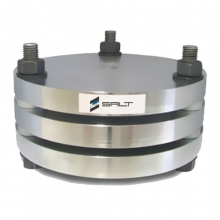
  Hello~! We are SALT CO., LTD. a specialized manufacturer of material testing machines. Today, we would like to introduce ASTM D395, a standard test method for measuring the compression set of rubber.       What is ASTM D395?       ASTM D395, titled "Standard Test Methods for Rubber Property—Compression Set," describes the test method used to measure the compression deformation characteristics of rubber.  This test method evaluates the elasticity and permanent deformation characteristics of rubber by measuring how much it recovers when compressed. This standard covers two test methods: A - Compression set under constant force in air B - Compression set under constant strain in air The choice of test method is optional, but consideration should be given to the service conditions where correlation of test results can be found. Unless otherwise specified in detailed specifications, Test Method B should be used. In today's post, we will focus on Test Method B.       Principle of the Test:           Compression deformation rate testing is a commonly of interest when using rubber.  Compression set is the amount of permanent deformation that occurs when a material is compressed to a specified deformation for a specified time and temperature.  In the test method described in ASTM D395, the material should be compressed by 25% for a specified period. Measurements are taken after a recovery time of 30 minutes.  The result is the percentage of the original height that the material fails to recover. For example, 40% compression set indicates that a thermosetting elastomer recovers only 60% of its uncompressed thickness.  A 100% compression set means that the thermosetting elastomer does not recover at all, remaining in the compressed state.     Comparison between ASTM D395 and ISO 815             Salt's Permanent Compression Set Tester ST-180           Salt's ST-180 Permanent Compression Set Tester     This equipment is used to measure the permanent compression rate by compressing polyurethane and rubber test specimens to a certain height, maintaining them at a specified temperature for a specified time, and comparing the deformed height (length) before and after recovery. The measurement value is expressed as a percentage by calculating the difference between the initial thickness of the test specimen and the thickness after recovery.     Manufactured based on ASTM D395, ISO 815. Custom orders are available to accommodate various sizes of spacers for different types of specimens. Made of SKD special steel with minimal thermal deformation, ensuring stability even under high-temperature conditions. Precision Spacer (Resolution ±0.001mm) 8 spacers provided per set      Salt Co., Ltd.'s all-purpose material tester provides a variety of grips,  extensometers and test solutions to meet the requirements of physical property testing of various materials.       "We value our relationship with you more than just selling our products."   Contact Salt for more information!   Salt-s@Light-Salt.kr www.light-salt.kr

24.04.23

ASTM F1306 - Standard Test Method for Slow Rate Penetration Resistance of Flexible Barrier Films and
ASTM

ASTM F1306 - Standard Test Method for Slow Rate Penetration Resistance of Flexible Barrier Films and

  Hello! We are SALT, a specialized manufacturer of material testing equipment. Today, let's talk about ASTM F1306!       What kind of test is ASTM F1306? ASTM F1306 is an ASTM (International Organization for Standardization) standard titled "Standard Test Method for Slow Rate Penetration Resistance of Flexible Barrier Films and Laminates." This standard describes the test method for evaluating the resistance of flexible barrier films and laminates.     Specifically, the resistance is evaluated under conditions where the speed increases slowly, determining how well the material resists specific pressures or impacts. ASTM F1306 sets the test conditions to determine the slow insertion resistance characteristics of flexible protective films and laminates against probes moving at low speeds. The required calculations under this standard include maximum force at failure, energy required for failure, and the probe insertion distance from initial contact to failure. The ability to characterize insertion resistance is crucial for the final performance of thin and flexible materials that could be damaged by sharp objects. The ASTM F1306 test is commonly used in the packaging industry supplying thin films for food and consumer goods sectors.     What are the specimen conditions for ASTM F1306? Specimen size: Specimens are typically fabricated as 3-inch x 3-inch (approximately 76mm x 76mm) squares. Specimen thickness: The thickness of specimens is generally around 2.5 micrometers.   Testing speed: The testing speed is typically specified as 25mm/min (1 inch/min). Therefore, the speed for specimen penetration is maintained at 25mm or 1 inch per minute.       What is the testing method for ASTM F1306?       The test is conducted by applying force at a speed of 1 inch (25mm) per minute using a probe with a diameter of 3.2mm until the flexible film or laminate is punctured in one direction.       What equipment is used to conduct ASTM F1306? ASTM F1306 is typically conducted using a universal material testing machine. According to ASTM F1306, the load required for puncture testing is generally below 250 N. We recommend SALT's universal material testing machine model ST-1000.     SALT's ASTM F1306 puncture jig                 The puncture jig for ASTM F1306 has a sharp pointed end at the bottom. This sharp end penetrates the test specimen during testing to measure puncture resistance.The thickness and length of the jig may vary depending on the requirements of the puncture test.   Generally, a thicker and shorter probe has higher puncture resistance, with the sharp end easily penetrating into the specimen.   Additionally, it should be made of high-strength and durable materials to ensure accurate and consistent test results. SALT's puncture jig is designed to accurately penetrate the test specimen.   Salt Co., Ltd.'s all-purpose material tester provides a variety of grips,  extensometers and test solutions to meet the requirements of physical property testing of various materials.       "We value our relationship with you more than just selling our products."   Contact Salt for more information!   Salt-s@Light-Salt.kr www.light-salt.kr

24.04.15

ASTM C307 Standard Test Method for Tensile Strength of Chemical-Resistant Mortar, Grouts, and Monoli
ASTM

ASTM C307 Standard Test Method for Tensile Strength of Chemical-Resistant Mortar, Grouts, and Monoli

Hello~! This is SALT CO.,LTD. a specialized manufacturer of material testing machines.   Today, let's talk about ASTM C307       What is ASTM C307?   This standard covers the determination of tensile strength of hardened chemical-resistant materials in molded briquette form.  These materials include mortars, brick and tile grouts, machine grouts, and monolithic surfacings based on resin, silicate, silica, or sulfur binders.  While these materials typically experience compressive forces, this tensile test helps to reveal other properties such as curing rate and how the material performs in situations where it's not subjected to 100% vertical loading.       ASTM C307 specimens             Length: Typically 3 inches (approximately 76mm). Width: Ends of the specimen are typically 1 3/4 inches (approximately 44mm). Thickness: Thickness of the specimen is typically 1 inch (approximately 25mm). Specimens used in ASTM C307 typically have a specific shape. They are in the form of a briquette, usually resembling a rectangular or square prism.  These specimens are manufactured to specific dimensions and shapes to evaluate material properties and are designed to be properly gripped for tensile testing.  Hence, according to ASTM C307, specimens typically have a briquette shape, designed to suit the purpose of measuring the tensile strength of the material.       Testing equipment and grips required for ASTM C307      

24.04.09

ASTM C109/C109M standard test method for compressive strength of hydraulic cement mortars
ASTM

ASTM C109/C109M standard test method for compressive strength of hydraulic cement mortars

Hello~! I'm Salt Co., Ltd., a specialized manufacturer of material testing machines. Today, let's talk about ASTM C109/C109M!   What is ASTM C109/C109M? ASTM C109/C109M is a test method for measuring the compressive strength of hydraulic cement mortars. This test is conducted to assess the strength and durability of cement mortars, primarily used in the construction industry for quality assurance and product approval of cement-based materials. The test involves preparing specimens using a mixture of cement and sand, placing these specimens in a compression testing machine, and compressing them at a specified rate to measure the failure strength of the cement mortar.       Significance of Cement Compressive Strength:   The compressive strength of cement is a crucial indicator for evaluating the quality and durability of concrete and cement-based materials. Here are several reasons why: Structural Stability and Robustness: Cement is a key component of structures, and using cement with adequate compressive strength ensures the safety and robustness of the structure.  Insufficient compressive strength may lead to structural issues when subjected to external loads.   Material Quality Assessment: Compressive strength is a key indicator for evaluating the quality of cement. High-quality cement exhibits higher compressive strength, enhancing the durability and performance of concrete.  Therefore, measuring compressive strength plays a vital role in manufacturers' efforts to control and improve quality.     Structural Design and Technical Requirements: The design of buildings and other structures must meet specific technical requirements, including the compressive strength of cement and concrete.  Designers must select suitable cement and concrete to ensure the safety and durability of structures. Quality Management and Assurance: Quality management is crucial in construction projects.  The compressive strength of cement serves as a key indicator for quality management and assurance, enabling manufacturers and construction practitioners to maintain consistency in quality and provide stability to customers. Therefore, cement compressive strength is essential for ensuring the safety and durability of structures and managing the quality of the construction process. ASTM C109 Specimens:       This test method deals with determining the compressive strength of hydraulic cement mortars using 2-inch or 50mm cube specimens.  The size and shape of specimens significantly impact the test results and measurement accuracy.     Test Equipment: Typically, hydraulic universal testing machines are used for ASTM C109 tests. These machines are widely used for measuring the mechanical properties of materials and can apply various types of loads and deformations for different test methods. In ASTM C109 tests, these machines apply a constant compressive load to the specimens to measure compressive strength. Salt Co., Ltd.'s hydraulic universal testing machine features many functions that facilitate automation of the testing process and data recording. Additionally, these machines offer various accessories and options to meet the requirements of different test methods and standards. Therefore, hydraulic universal testing machines are essential equipment for ASTM C109 tests, ensuring accurate test results and efficient testing processes.   Recommended Models:   Salt Co., Ltd. Hydraulic Compression Testing Machine ST-1004C -3000kN 4 Post Guides     Salt Co., Ltd. ST-1004C Mobile Crosshead Type   Salt Co., Ltd. ST-1004C     You can visit the link below to see Salt Co., Ltd.'s posting on the ST-1004C:     https://www.light-salt.kr/eng/customer/info.php?ptype=view&idx=8250&page=1&code=info_eng   [Link to Salt Co., Ltd.'s ST-1004C posting]   Salt Co., Ltd.'s all-purpose material tester provides a variety of grips,  extensometers and test solutions to meet the requirements of physical property testing of various materials.       "We value our relationship with you more than just selling our products."   Contact Salt for more information!   Salt-s@Light-Salt.kr www.light-salt.kr

24.03.25

 ISO 148-1: Metallic Charpy Impact Test
ISO

ISO 148-1: Metallic Charpy Impact Test

       Hello this is SALT CO., LTD. a specialized manufacturer of material testing machines. Today, we'll be posting about ISO 148-1~! What is ISO 148-1?                 ISO 148-1 is an international standard for impact testing of metallic materials.  This standard provides standardized test methods for evaluating the impact properties of various metallic materials.    Purpose of ISO 148-1 Testing It evaluates how well metals withstand external impacts. Through this test, we can understand how metals react when subjected to situations where they may break or fracture. During the test, standardized samples are used and placed in an impact testing machine. Impact is applied to the sample with a specific amount of energy. This allows us to measure how much energy the metal absorbs when subjected to impact. This information is crucial when considering safety in product design and use. In essence, ISO 148-1 is used to evaluate the strength and durability of metal materials to ensure product safety.     ISO 148-1 Sample   In the Charpy test, either a V-notch or U-notch is made on the sample for testing. These notches are added to measure the energy absorption at the end of the test sample and evaluate the material's impact characteristics.  Depending on the material properties, According to ISO 148-1, the size of the impact test sample with V-notch or U-notch is Length: 55mm / Width: 10mm / Thickness: 10mm. If it's not possible to create standard specimens from the material to be tested, the thickness of the specimen can also be 7.5mm, 5.0mm, or 2.5mm. These specimens are considered small specimens.   V-notch: A test method where a notch is made in the shape of a V on the sample to apply impact. V-notches are typically made at a 45-degree angle. U-notch: A test method where a notch is made in the shape of a U on the sample to apply impact. U-notches are typically made at a 90-degree angle.     Equipment Needed for ISO 148-1 Testing?     Charpy Impact Testing Machine or Charpy Impact Tester is used to perform impact tests according to ISO 148-1. The Charpy Impact Testing Machine typically uses a hammer to provide impact energy to the test sample. The test samples are manufactured in Charpy or Charpy-V shapes, and the end of the test sample collides with the hammer. By measuring how much energy the test sample absorbs during impact, the material's impact characteristics are evaluated.     Features of SALT CO.,'s Charpy Impact Testing Machine (ST-300)       Specially designed for impact testing to meet the best test conditions   Easily viewable measurements such as pre-angle, peak angle, energy, impact value, cross-section, etc.   Preset function for inputting 10 samples each   Individual modes for inputting cross-sectional areas to comply with ISO/ASTM standards   Freedom in unit conversion (energy: kgf, J) (cross-section: m2, m)   Various data calculation, storage, and analysis available through dedicated software.       Salt Co., Ltd.'s all-purpose material tester provides a variety of grips,  extensometers and test solutions to meet the requirements of physical property testing of various materials.       "We value our relationship with you more than just selling our products."   Contact Salt for more information!   Salt-s@Light-Salt.kr www.light-salt.kr

24.03.18

ASTM D575 Standard Test Methods for Rubber Properties in Compression.
ASTM

ASTM D575 Standard Test Methods for Rubber Properties in Compression.

Hello this is SALT CO., LTD. a specialized manufacturer of material testing machines. Today, we will be posting about the international standard ASTM D575.     What is ASTM D575?   ASTM D575 is a standard published by ASTM International, the American Society for Testing and Materials, covering "Standard Test Methods for Rubber Properties in Compression." This standard provides test methods for measuring the compression properties of rubber. Compression tests are used to understand the physical properties of rubber and provide information necessary for the design and manufacture of products. The standard covers various compression test methods, each of which may be selected depending on the type of rubber or application. ASTM D575 provides criteria for quantifying and measuring the compression properties of rubber in a standardized manner, helping manufacturers, research institutions, and testing laboratories obtain consistent results. This plays an important role in quality assurance and quality management of rubber products.   ASTM D575 includes two primary test methods :   Method A: This method applies a specific amount of compression to the specimen and measures the force resulting from that compression.  It evaluates the force-deformation characteristics of rubber at a specific compression by controlling the compression to a certain amount. 1.Prepare the test specimen as described in the method. 2.Adjust the load and position to zero. 3.Apply force until the specified deformation occurs. 4.Immediately release the force at the same rate and repeat the loading cycle for the second time. 5.Apply force again until the specified deformation for the third time.   Method B: Method B applies constant minor and major forces to the specimen and measures the deformation. It evaluates the deformation characteristics of rubber when subjected to various compressive forces. 1.Prepare the test specimen as described in the method. 2.Adjust the load and position to zero. 3.Apply a specified minor force. 4.Apply the major force for 3 seconds and stop the test. 5.Read the deformation and calculate the percentage deformation based on the original thickness of the specimen. The reading should not include the deformation caused by the minor force.   Salt Co.'s recommends the following model for material testing:       Hydraulic Universal Testing Machine       

24.03.11

ASTM D624 Standard Test Method for Tear Strength of Conventional Vulcanized Rubber and Thermoplastic
ASTM

ASTM D624 Standard Test Method for Tear Strength of Conventional Vulcanized Rubber and Thermoplastic

Hello this is SALT CO., LTD. a specialized manufacturer of material testing machines. Today, we'll be posting about ASTM D624, which evaluates the tensile properties of rubber and thermoplastic materials.       What is ASTM D624? ASTM D624 stands for "Standard Test Method for Tear Strength of Conventional Vulcanized Rubber and Thermoplastic Elastomers."  It's a standard test method used to measure the tear strength of conventional vulcanized rubber and thermoplastic elastomers chemically. According to ASTM D624, specimens are made in specific shapes and sizes to measure the tensile force between specimens.  This method is used to stretch specimens in any form and determine the point of rupture. Additionally, the time taken for the specimen to rupture (i.e., tensile strength) is also measured. This method is used in the design and manufacturing processes of materials to evaluate the tensile characteristics of materials, helping assess the durability and stability of products. It finds applications in various industries such as automotive parts, rubber products, plastic products, and more.       Conditions for ASTM D624 Specimen Testing: There are five types of specimens that can be used in this standard: A, B, C, T, and CP. For specimens of types A, B, or C, the tear strength during stretching is defined as the maximum force divided by the specimen thickness.  For specimens of types T or CP, the tear strength during stretching is the average or median of the portion of the curve generated during the stretching of the specimen, divided by the specimen thickness. Depending on the type of stress/strain curve generated by the test material, either the average or median is used. The results of this test depend significantly on the thickness of the specimen, so it's important to accurately measure the specimen using micrometers as per ASTM D3767.           What equipment should be used for ASTM D624 testing?       SALT Co., Ltd.'s UTM capable of ASTM D624 testing         SALT Co., Ltd.'s Side Action Grips         SALT Co., Ltd.'s Roller Grips 1           SALT Co., Ltd.'s Roller Grips       The primary equipment used for ASTM D624 testing is a material testing machine or a universal testing machine (UTM).  A UTM is used to measure the physical and mechanical properties of various materials. In ASTM D624 testing, these machines are used to apply load to the specimen and measure the deformation to determine tear strength. The ASTM D638 provides standard methods for tensile testing of various plastic materials.  This test is used to evaluate the mechanical properties of materials such as tensile strength, elongation at break, and modulus of elasticity.   The best type of grip for use with ASTM D624 is one that supplies consistent pressure, such as side action grips or roller grips. A crucial aspect of ASTM D624 testing is aligning the specimens vertically in the same position for each test. Since the results of the heat test can vary, it's important to eliminate as many variables as possible. Side action grips have an advantage over other grips in aiding specimen alignment. It's also important for the grip surface to mate with the specimen to facilitate visual alignment. The grip surface should have the same width as the specimen.   Salt Co., Ltd.'s all-purpose material tester provides a variety of grips,  extensometers and test solutions to meet the requirements of physical property testing of various materials.       "We value our relationship with you more than just selling our products."   Contact Salt for more information!   Salt-s@Light-Salt.kr www.light-salt.kr

24.03.11

close