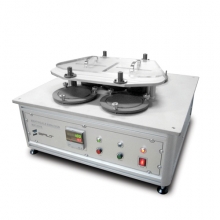
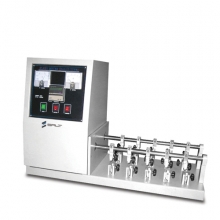
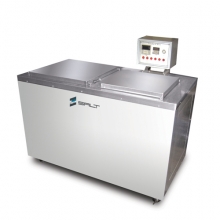
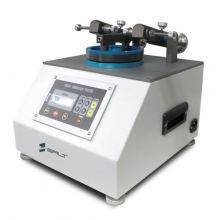
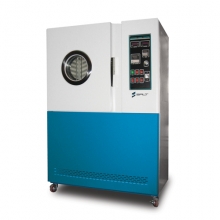
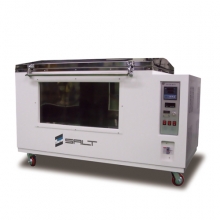
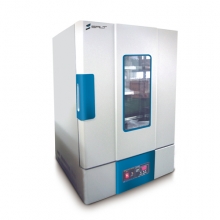
Test Standards
Total. 97
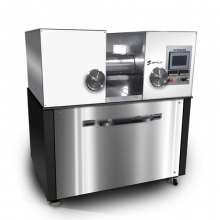
Mixing Roll
ST-150M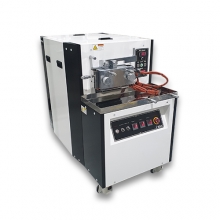
Kneader
ST-120K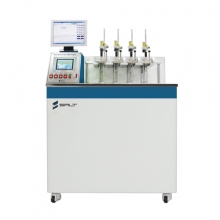
HDT / VICATTester
ST-140H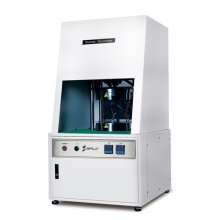
MooneyViscometer
ST-105M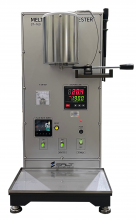
Melt FlowIndexer
ST-160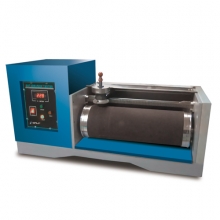
DIN AbrasionTester
ST-102D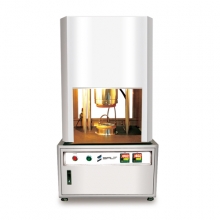
Rheometer
ST-106R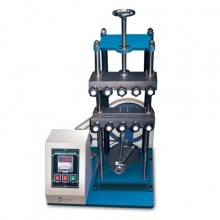
Demattia Flex-Cracking Tester
ST-135D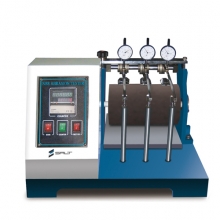
NBS AbrasionTester
ST-103N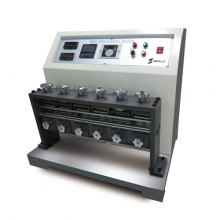
ROSS FlexingTester
ST-104R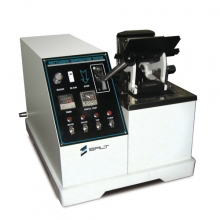
BrittlenssTemperatureTester
ST-115B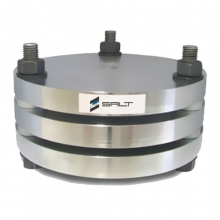
Compression Set Tester
ST-180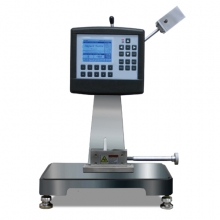
Impact Charpy (Plastic)
ST-110C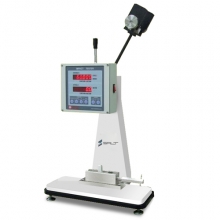
Izod ImpactTester
ST-120A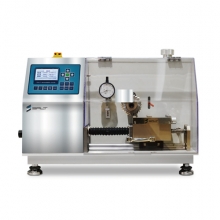
Plastic Forming Machine
ST-130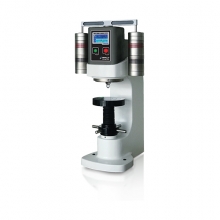
BrinellHardness Tester
ST-HR3000D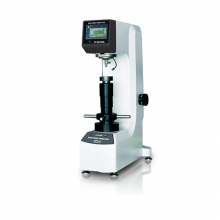
RockwellHardness Tester
ST-HR150D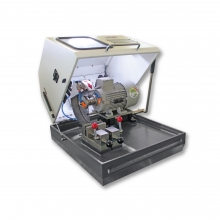
Abrasive Cutting Machine
ST-300P, ST-300A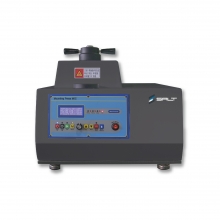
Mounting Press
ST-310, ST-310-2, ST-310S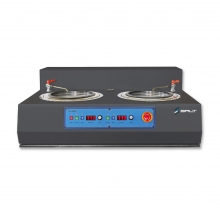
PolishingMachine
ST-320P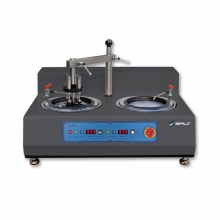
PolishingMachine(Semi Auto)
ST-330P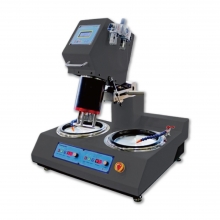
PolishingMachine (Auto)
ST-340P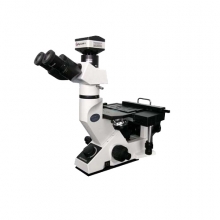
InvertedMetallurgicalMicroscope
XD-M Series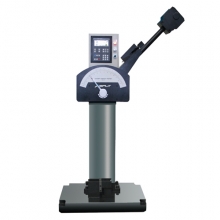
Impact Charpy (Metal)
ST-300
Servo MotorHot Press(Automatic Sliding Type)
ST-100S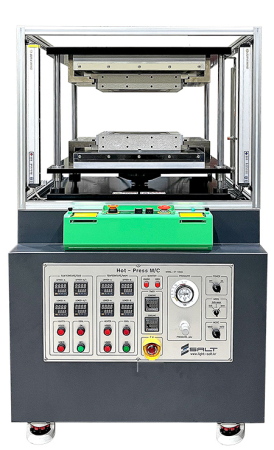
Pneumatic Side Heating Press
ST-100AS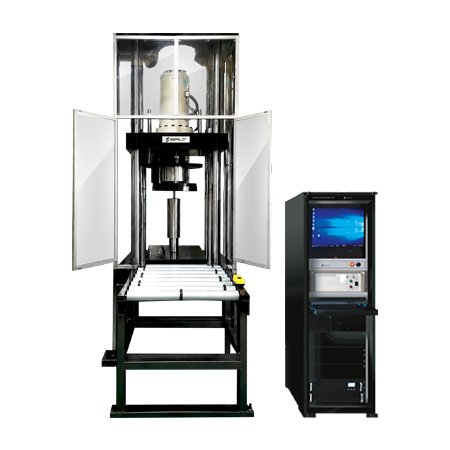
Buffer Compression Test
ST-1004C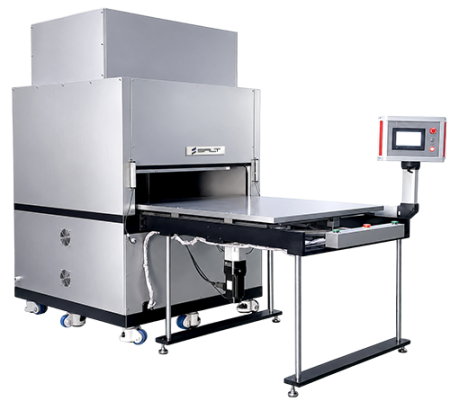
Servo Motor Thomson Press
ST-100TS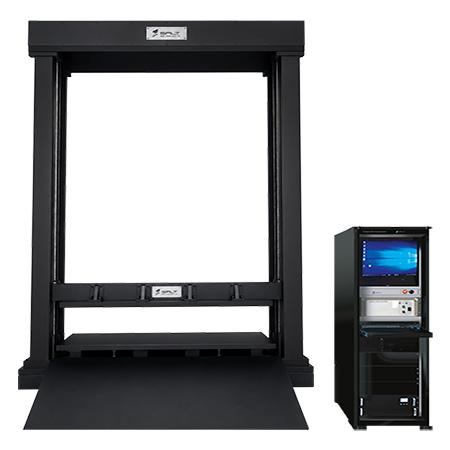
Pallet & Large Compression Testing System
ST-1002C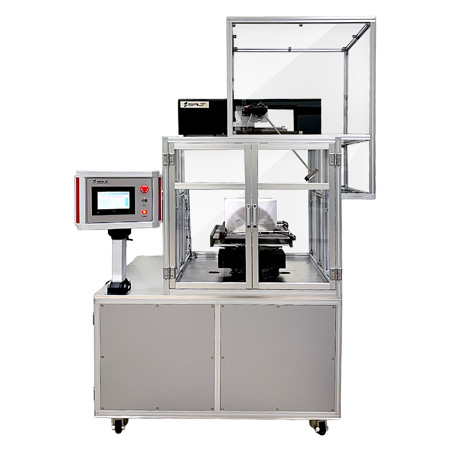
Dust Evaluation Automatic Impact Tester
ST-301A
Spring Tester
Wheel abrasion tester
Compression Roll Tester
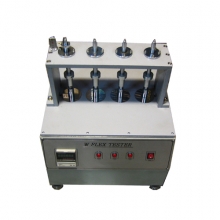
W-FLEX-TESTER
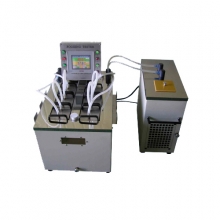
FOGGING TESTER
ST-500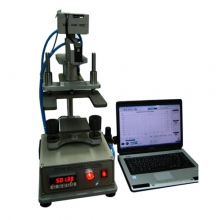
FOAM RECOVERY SYSTEM
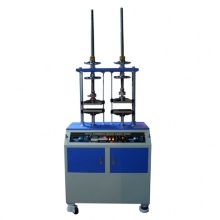
COMPRESSION DYNAMICFLEXING TESTER
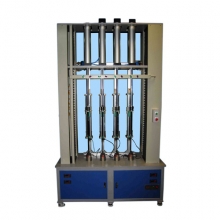
Automotive shockabsorber force tester
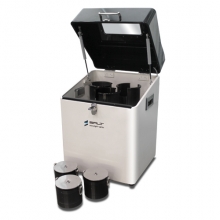
Barrel Polishing System